A new study has discovered that contact with nature may help people develop healthier eating habits.
The research from Anglia Ruskin University in the UK is reportedly the first to provide evidence that exposure to natural environments can influence people’s relationship with food.
The study, published in the journal Body Image, involved 500 UK adults who were assessed on their individual levels of contact with the natural world, such as how much they noticed nature in their everyday lives, as well as the frequency and duration of the time spent around nature.
The participants also completed surveys measuring body image, self-compassion, connectedness to nature and intuitive eating—which is an anti-dieting approach to eating that focuses on listening to the body’s internal signals instead of following strict eating rules.
The study found a direct positive relationship between nature contact and intuitive eating, but pathways involving other factors were even more important.
“One pathway involved nature contact influencing intuitive eating habits through higher levels of body appreciation. It is thought that nature contact helps people feel more comfortable in their body, more appreciative of what their body can do and more responsive to their body’s needs, which in turn leads to higher levels of intuitive eating.”
“A second pathway involved self-compassion. Greater nature contact promotes self-compassion and the researchers believe this provides a buffer against responding to difficult thoughts and emotions through impulsive eating. Instead, it may encourage people to follow their body’s signals and choose foods that better meet their physiological needs.”
Lead author Viren Swami, Professor of Social Psychology at ARU said, “These findings are important because they provide the first evidence that contact with nature may shape people’s eating habits.
“We already know that contact with natural environments can reduce anxiety and depression and improve various measures of wellbeing, including life satisfaction.”
“Our new study is the first to show how it can influence our eating habits, thanks to helping people develop more positive relationships with their bodies and greater self-compassion, and these findings could have practical benefits for public health professionals.“We recognize there are limitations to this study, particularly as it is based on self-reported data, and further studies in other countries are needed. However, these initial results suggest that greater access to and engagement with nature could support efforts to promote healthier, more sustainable eating behaviors.” Contact With Nature is Linked to Healthy Eating, Shows Encouraging New Study
Artificial intelligence has brought about a revolution in medical screening practices, with the technology able to make detections across hundreds of scans in seconds which can be forwarded to trained pairs of human eyes.
Now from the UK comes another example in the form of heart disease diagnostics. Trained on millions of patients, a new AI tool has been designed to detect minute abnormalities in traditional electrocardiogram (ECG) readings.
Though the ECG, which measures the natural electrical activity in the heart, has been a key part of diagnosing heart attack risk and heart arrhythmia for decades, it isn’t able to detect heart disease.
For heart disease risk, an echocardiogram, or ultrasound reading of the heart is ordered, but appointments are often months later. Now, however, an AI tool has been designed specifically to detect early signs of 2 of the most common forms of heart disease from ECG readings.
Details of the breakthrough, which could boost early diagnosis of heart disease, were presented at the European Society of Cardiology’s annual congress in Munich, the Guardian reports.
“When it comes to the heart, earlier diagnosis and treatment saves and improves lives,” said Dr. Sonya Babu-Narayan, a consultant cardiologist and clinical director of the British Heart Foundation (BHF), which funded the trial.
“Technology like the AI ECG in this research, which has the potential to identify high-risk patients early, will not detect everyone with a heart condition. But it could be a solution to help fast-track the patients who are most likely to have a heart abnormality.”
Heart valve diseases and heart failure are the 2 conditions the AI is capable of detecting in the blink of an eye. Unless one is an experienced cardiologist, the first outwardly visible symptom of heart failure is cardiac arrest or sudden cardiac death.
In a clinical trial for the AI’s potential inclusion in cardiology departments and beyond, 67,000 patients in the US had ECGs they’d received analyzed. The model detected 81% of heart failure cases, and 90% of heart valve disease cases.
The ECG is one of the most common tests conducted in cardiology, with approximately a billion ordered every year worldwide. Though a potential case flagged by the AI wouldn’t be proof the patient is about to sustain a heart attack, it’s imagined they’d use the AI-analyzed ECG to receive priority access to echocardiogram appointments.
“Patients can often wait several months for a heart ultrasound scan after being referred for one by their doctor,” said Professor Fu Siong Ng, a professor of cardiology at Imperial College London who was involved in the study.
“This makes it exciting that our technology could identify patients most at risk of heart failure and heart valve disease, so they could be prioritized for scans faster and more urgently.”People may have undergone ECG tests for other reasons, Professor Ng said, and a major benefit of having the AI tool there will be that it can just as easily include potential heart disease checks into any list of diagnostic markers for other conditions, revealing potential heart disease when none was thought to exist. New AI Model Can Detect Heart Disease Markers in Simple Electrocardiogram Readings–a Breakthrough
We’ve all been there. You spend an hour in the gym, and before you even reach the change room, you start thinking about our favourite takeaway meal – after all, you’ve earned it!
Before long, you’re tucking into a super-sized meal. Then the guilt hits: what was the point of exercising to burn all those calories if it just makes us eat even more calories?
But while this might be a familiar pattern, it’s not necessarily a super-sized hunger at play. Let’s see what the science says.
How exercise impacts our appetite
While many people report that exercise makes them hungry, the science is more nuanced.
In the short term, a bout of exercise can actually suppress appetite. A meta-analysis of 20 studies found exercise reduced the hunger hormone ghrelin while increasing hormones associated with fullness, including PYY, GLP-1 and pancreatic polypeptide.
But this effect is temporary. A more recent systematic review and meta-analysis found exercise suppressed appetite initially, but this effect wore off 30–90 minutes later.
So exercise isn’t an appetite-suppression strategy. Rather, there appears to be a short window after exercise when our appetite may be dampened before it returns to normal.
There is an important distinction between what happens after one workout and what happens when we exercise regularly.
A systematic review of exercise training in adults who were above a healthy weight or who had obesity found a small increase in hunger levels while fasting.
However, there were no clear or consistent increases in post-meal or daily hunger, and exercise did not substantially increase average energy intake.
In other words, if you’re exercising more, you may well feel hungrier at some point. That’s not your body “fighting” exercise – it’s a normal physiological response to having expended more energy.
People don’t necessarily compensate by eating back all the energy they have used.
Does exercise intensity matter?
A systematic review and meta-analysis of 13 randomised controlled studies found both short bursts of high-intensity exercise (interspersed with recovery) and moderate-intensity continuous exercise temporarily suppressed appetite.
High-intenstity exercise suppressed participants’ appetites a little more, though differences weren’t consistent.
But this doesn’t mean you need to start doing high-intensity interval training to control your appetite. The bigger lesson is our appetite can change temporarily in response to exercise, and people respond differently.
Choose forms of physical activity you enjoy and can realistically keep doing. Enjoyment is an important part of maintaining regular exercise, and regular activity is far more valuable than choosing a particular workout simply because it produces a short-term hormonal effect.
How much exercise will result in weight loss?
The amount of exercise you need depends on your goal.
For general health, adults should aim for at least 30 minutes of moderate-to-vigorous activity on most days, plus regular light activity and muscle-strengthening exercises twice a week.
For weight loss, more is needed. Research suggests around 60 minutes of moderate-intensity activity a day may be required to achieve meaningful weight loss from exercise alone.
So why can you sometimes feel ravenous after exercising?
The answer isn’t necessarily that exercise has “switched on” your appetite. Several things can be happening at once.
First, there’s the simple biology: if you’ve expended a substantial amount of energy, your body may eventually respond by increasing hunger as it works to restore energy balance. The more energy you expend, the more likely it is that genuine hunger will appear later.
There are also psychological and behavioural factors.
After exercising, we may give ourselves permission to eat more because we feel we’ve “earned” it. Research suggests people can be more likely to seek a food reward when they perceive an activity as exercise rather than simply as something enjoyable or recreational.
Hydration can also matter. If you’ve exercised while dehydrated, thirst and hunger can sometimes be difficult to distinguish.
But this shouldn’t be interpreted as meaning that post-exercise hunger is simply thirst in disguise. If you’ve expended a lot of energy, genuine hunger is a perfectly normal response.
So don’t fear hunger after exercise – but don’t automatically assume you’ve “earned” a super-sized meal either.
How to manage your post-exercise hunger
Research suggests regular exercise can reduce our desire for high-energy foods and and help reduce overeating.
But if your post-exercise hunger is genuinely derailing your weight goals, here are some strategies that might help:
1. Hydrate first
After exercise, have some water and give yourself a moment to check in with your body. If you’ve been sweating heavily or exercising in hot conditions, replacing fluids is important.
2. Check whether you’re genuinely hungry or just want a reward
Real hunger comes on gradually and has distinct physical cues: a rumbling stomach, low energy, a headache, light-headedness and difficulty concentrating.
3. Eat if you’re genuinely hungry
Never deprive yourself of food. Your post-exercise hunger is your body working more efficiently and responding to increased energy and metabolic demands.
4. Reach for nature first
Have a filling post-exercise snack ready to go. Choose foods that are filling and nutrient-rich, such as:
a handful of nuts
Greek or natural yoghurt with berries
a piece of fruit with a handful of nuts
wholegrain toast with avocado or cottage cheese
boiled eggs with wholegrain toast
hummus with vegetable sticks
a glass of milk.
These foods provide a combination of protein, fibre and healthy fats, which can help keep you satisfied until your next meal.
The Charles Perkins Centre studies the science of obesity and weight loss. You can learn more about our clinical trials here.
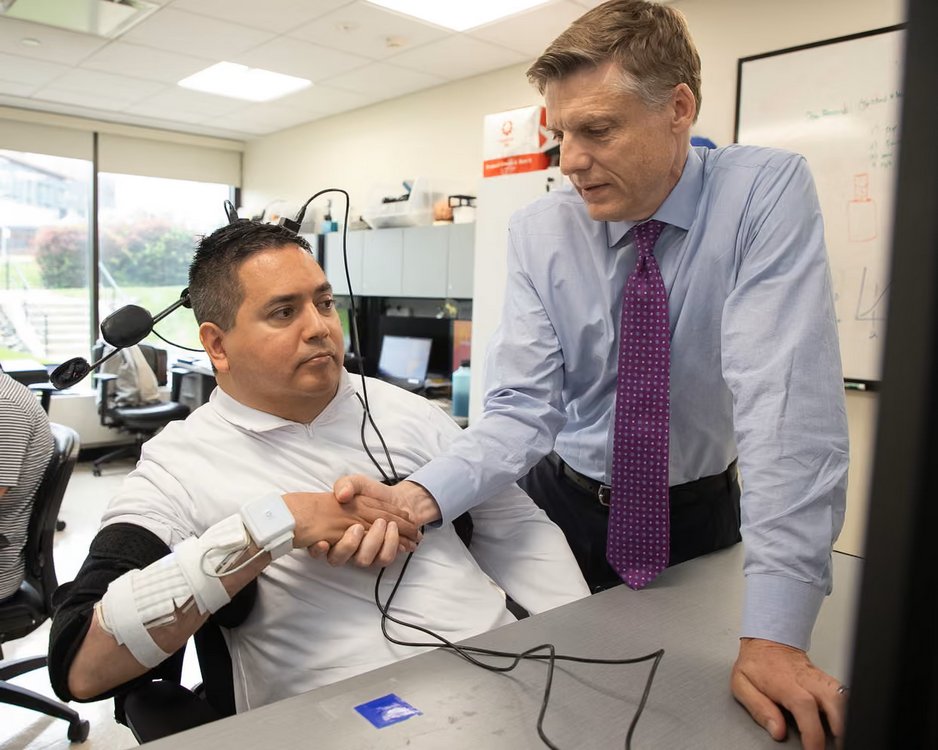
Keith Thomas (left) and Professor Chad Bouton (right) – credit, Feinstein Insitutes, released
A man who was paralyzed from the chest down is now regaining hand and arm control thanks to a double neural bypass surgery—by using a computer to connect his brain with the nerves in his hand and arms.
Hardly doomed to becoming a wheeled internet node for the rest of his life, the man has continued to regain feeling and function that persists even when the computer is turned off.
The result speaks volumes about the potential for this technology to improve the lives of those suffering from paralysis in the US and abroad.
Such hope and progress unfortunately begins with tragedy and loss, in a very familiar way.
Keith Thomas from Massapequa was just hanging out next to the pool during the summer of 2020, when he decided to dive in “aggressively as usual.” The next thing he knew, he was in a helicopter being transported to the hospital.
Just 3 months after breaking his neck at the bottom of the swimming pool, Thomas was contacted by the Feinstein Institutes for Medical Research asking if he were interested in enrolling in a 3-year medical trial for what they called double neural bypass surgery, with the paralyzed nervous system between the brain and the arms being that which is bypassed.
It uses electrodes implanted into Thomas’ brain to detect when he wants to move his arms. The signals are then routed to his arms and hands to move them. The “double” part refers to sensors embedded in his fingers which detect the presence and form of objects in his hands, performing another transfer of information to the brain via the electrodes.
Not only does it allow Thomas to move his arms and hands, feel the fur of his dog or the touch of his sister’s hands, but detect whether he’s holding a ball, a coffee cup, or an egg, and adjust pressure and control accordingly.
Training with the system for 35 weeks, the strength in his atrophied arms has increased: 86% in his right arm and 62% in his left, while also experiencing an increase in his range of motion. Having previously not been able to lift his hand above his neck, he can now scratch his nose and wipe his mouth. The progress was recently presented in a paper published in Nature.
“For me this is an incredible moment,” said Professor Chad Bouton, leader of the team at Feinstein that developed the technology.
“For years, we have been wanting to really tackle the restoration of movement and the sense of touch and bring those together and we’ve also wanted to create lasting effects,” Bouton said in a video release. “I think we’re going to continue to see progress and I think it’ll be applicable to the millions of folks around the world who really need this technology.”An interesting thing about the technological ensemble restoring Thomas’ capabilities of touch and movement is that it’s unclear just how much more he’ll be able to recover. Where will he be after another 35 weeks? Paralyzed Man Can Feed Himself and Pet His Dog Again Thanks to Double Neural Bypass Surgery
By Ch Saibaba: Every morning this laughing club risks amused glances and jibes when they look up at the sky, take a deep breath of clear, fresh air, and erupt into wild spontaneous laughter. Members of ABC Laughing Club practising hasya yoga The meetings of ABC Laughing Club are perhaps the most serious health activities happening in the city. The group meets at Picket Cantonment Garden at Secunderabad everyday between 6.45 am and 7.45.am. This is a group of more than 50 people so dedicated to preserving their sense of humour, and thereby their sanity, that they happily give up an hour of their sleep to practice hasya yoga, a workout for your funny bone.By simulating laughter and mirth, one can actually fool those endorphins into doing some overtime, says Madan Kataria, the founder of this unique form of exercise. “Feel-good chemicals are released in the brain when you laugh, but if you waited around for something funny to happen, you could go a whole day without cracking a smile. Now, isn't that a waste of a day?” he asks. Joining the group of merry people and taking a place in the laughing circle seems like a positive step towards health and happiness. Each session, with different kinds of laugh, lasts almost an hour, and consists of warm-up and breathing exercises as well. Then one undergoes the entire spectrum of delight: from grunts to giggles, from guffaws to crackles, from smirks to grins. The club consists mostly of people in the age group of 50 and above, and they say that they have derived real benefits from their morning ha-ha. Blood pressure has stabilised, stress-levels have been reduced and the heart is kept happy with this fantastic form of what they say amounts to "internal jogging". Sreenivasa Rao, an active member of the ABC Laughing Club says, “We have been doing this laughing exercise since1998. Since then, our membership has gone up to 70 and our aim is “Always be cheerful” and we are enjoying and experiencing the same.Source: The Hans India, Image: flickr.com
Parkinson’s disease is the fastest growing neurological disorder, with over 10 million cases worldwide. Up to 150,000 Australians currently live with the disease and 50 new cases are diagnosed each day.
The number of people living with Parkison’s is projected to more than triple between 2020 and 2050.
Yet despite the immense impact on those living with Parkinson’s and their loved ones, and the staggering cost to our economy – at least A$10 billion a year – there is still a lot we don’t know about how this disease presents and progresses.
A recent large-scale study of nearly 11,000 Australians living with Parkinson’s disease provides some critical insights into symptoms, risk factors and how these affect men and women differently. Let’s take a look.
First, what is Parkinson’s disease?
Parkinson’s is a progressive disease in which cells that produce the chemical messenger dopamine in a part of the brain called the “substantia nigra” begin to die. This is accompanied by multiple other brain changes.
It is usually considered a movement disorder. Common motor symptoms include a resting tremor, slowed movement (bradykinesia), muscle stiffness and balance issues.
But Parkinson’s also involves a variety of lesser known non-motor symptoms. These may include:
mood changes
difficulties with memory and cognition (including slower thinking, challenges with planning or multitasking and difficulty paying attention or concentrating)
sleep disturbances
autonomic dysfunction (such as constipation, low blood pressure and urinary problems).
While these are sometimes referred to as the “invisible” symptoms of Parkinson’s, they often have a greater negative impact on quality of life than motor symptoms.
So, what does the new research tell us?
The study used data collected as part of the Australian Parkinson’s Genetics Study led by the QIMR Berghofer Medical Research Institute. After a pilot study in 2020, it was launched as an ongoing, nationwide research project in 2022.
Some 10,929 Australians with Parkinson’s were surveyed and provided saliva samples for genetic analysis. This is the largest Parkinson’s cohort studied in Australia and the largest active cohort worldwide.
There were several key initial findings.
1. Non-motor symptoms are common
The study reinforced how common non-motor symptoms are, with loss of smell (52%), changes in memory (65%), pain (66%) and dizziness (66%) all commonly reported.
Notably, 96% of participants experienced sleep disturbances, such as insomnia and daytime sleepiness.
2. A better picture of risk factors
The study also provided insights into what can influence Parkinson’s risk.
This is important because we don’t completely understand what causes the dopamine producing cells in the substantia nigra to die in the first place.
Age is the primary risk factor for Parkinson’s. The new study found the average age for symptom onset was 64, and for diagnosis, 68.
3. Genes and environment both play a role
In the recent study, one in four people (25%) had a family history of Parkinson’s. But only 10–15% of Parkinson’s cases are caused by – or strongly linked to – mutations in specific genes.
It’s important to remember that families don’t only share genes but often their environment.
Multiple environmental factors, such as pesticide exposure and traumatic brain injury, also increase risk of Parkinson’s.
The majority (85–90%) of cases of Parkinson’s are likely due to complex interaction between genetic and environmental risk factors, and advancing age.
The study showed environmental exposures linked to Parkinson’s risk were common:
36% of people reported pesticide exposure
16% had a prior history of traumatic brain injury
33% had worked in high-risk occupations (such as agriculture, or petrochemicals or metal processing).
These exposures were significantly higher in men than in women.
4. Differences between the sexes
The disease is 1.5 times more common in men. In the new study, 63% of those surveyed were male.
Parkinson’s also presents and progresses differently in males and females.
The study found women were younger than men at time of symptom onset (63.7 versus 64.4 years) and diagnosis (67.6 versus 68.1 years), and more likely than men to experience pain (70% versus 63%) and falls (45% versus 41%).
Men experienced more memory changes than women (67% versus 61%) and impulsive behaviours, particularly sexual behaviour (56% versus 19%) – although most participants exhibited no or only mild impulsivity.
What we still don’t know
The large-scale study and its comprehensive survey shed valuable light on people living with Parkinson’s in Australia.
But it’s still only a sliver of the population. More than 186,000 people with Parkinson’s were invited to participate and just under 11,000 took part – a less than 6% response rate.
Of these participants, 93% had European ancestry. So this sample may not be fully representative of Parkinson’s disease.
The information we have about symptoms also relied on self-reports by the study’s participants, which are subjective and can be biased or less reliable than objective measurements of function. To address this, the researchers are planning to use smartphones and wearable devices to collect more comprehensive data.
Finally, while this provides a snapshot of the current cohort, it’s not clear how participants compare to people of a similar age without Parkinson’s, or how their symptoms may change over time.
These are important areas of future research for this ongoing study.
What all this means
Studies like this provide crucial insights into risk factors linked to Parkinson’s. They also help us better understand the symptoms people experience.
This is important because the way Parkinson’s presents varies from person to person. Not everyone will experience the same symptoms to the same extent.
Similarly, the way the disease progresses over time differs between people.
A better understanding of the factors that influence this can lead to earlier identification of who’s at risk and more personalised ways of managing this disease.
Indeed, there are even whole nations that are very long-lived, like the Seres [Chinese], who are said to live 300 years: some attribute their old age to the climate, others to the soil and still others to their diet, for they say that this entire nation drinks nothing but water. The people of Athos are also said to live 130 years, and it is reported that the Chaldeans live more than 100, using barley bread to preserve the sharpness of their eyesight.
Whatever the truth of these tales, many ancient Greeks and Romans wanted a long and healthy life.
This is how they thought this could happen.
An ancient doctor’s perspective
Ancient doctors were interested in what people who lived long lives were doing every day and how this might have helped.
The Greek physician Galen (129–216 CE), for example, discusses two people he knew personally in Rome who lived to old age.
First, there is a grammarian (someone who studies and teaches grammar) called Telephus, who lived to almost 100.
According to Galen, Telephus ate just three times a day. His diet was simple:
gruel boiled in water mixed with raw honey of the best quality, and this alone was enough for him at the first meal. He also dined at the seventh hour or a little sooner, taking vegetables first and next tasting fish or birds. In the evening, he used to eat only bread, moistened in wine that had been mixed.
Galen also tells us Telephus had some bathing habits that might seem unusual to us today. Telephus preferred to be massaged with olive oil every day and only have a bath a few times a month:
He was in the habit of bathing twice a month in winter and four times a month in summer. In the seasons between these, he bathed three times a month. On the days he didn’t bathe, he was anointed around the third hour with a brief massage.
Second, there was an old doctor named Antiochus, who lived into his 80s.
In the morning, Antiochus usually ate toasted bread with honey. Then, at lunch, he would eat fish, but usually only fish “from around the rocks and those from the deep sea”. For dinner, he would eat “either gruel with oxymel [a mix of vinegar and honey] or a bird with a simple sauce”.
Alongside this simple diet, Antiochus went for a walk every morning. He also liked to be driven in a chariot, or had his slaves carry him in a chair around the city.
Galen also said Antiochus “performed the exercises suitable for an old man”:
There is one thing you should do for old people in the early morning as an exercise: after massage with oil, next get them to walk about and carry out passive exercises without becoming fatigued, taking into account the capacity of the old person.
Galen concludes that Antiochus’ routine probably contributed to his good health well into advanced age:
Looking after himself in old age in this way, Antiochus continued on until the very end, unimpaired in his senses and sound in all his limbs.
Galen stresses that Telephus and Antiochus had some obvious things in common. They ate just a few times a day; their diet was of wild meats, whole grains, bread and honey; and they kept active every day.
An eye exam is under way. But there was more to staying healthy in ancient times. Rabax63/Wikimedia, CC BY-SA
What can you do?
Not all of us can live to 100 or more, as the Greeks and Romans were well aware.
However, Lucian offers us some consolation in his essay On Octogenarians:
On every soil and in every climate people who observe the proper exercise and the diet most suitable for health have been long-lived.
Lucian advised that we should imitate the lifestyles of people who have lived long and healthy lives if we want to do the same.
So, if you lived in Rome in the 2nd century CE, people like Telephus and Antiochus, who had a simple diet and kept active all their lives, would be good role models.
New Delhi, (IANS) Up to four in 10 or 7.1 million cancer cases worldwide could be prevented, according to a new global analysis from the World Health Organization (WHO) and its International Agency for Research on Cancer (IARC) on Wednesday.
The study, released on World Cancer Day on February 4, identified tobacco as the leading preventable cause of cancer globally, responsible for 15 per cent of all new cancer cases.
It also found, for the first time, that nine cancer-causing infections are responsible for about 10 per cent of cancer cases.
Other reasons include alcohol, high body mass index, physical inactivity, air pollution, and ultraviolet radiation.
The analysis, based on data from 185 countries and 36 cancer types, estimated that 37 per cent of all new cancer cases in 2022, around 7.1 million cases, were linked to preventable causes.
Three cancer types - lung, stomach and cervical cancer- accounted for nearly half of all preventable cancer cases in both men and women, globally.
Lung cancer was primarily linked to smoking and air pollution, stomach cancer was largely attributable to Helicobacter pylori infection, and cervical cancer was overwhelmingly caused by human papillomavirus (HPV).
"This is the first global analysis to show how much cancer risk comes from causes we can prevent," said Dr Ilbawi, WHO Team Lead for Cancer Control, and author of the study.
"By examining patterns across countries and population groups, we can provide governments and individuals with more specific information to help prevent many cancer cases before they start," he added.
The burden of preventable cancer was substantially higher in men than in women, with 45 per cent of new cancer cases in men compared with 30 per cent in women.
In men, smoking accounted for an estimated 23 per cent of all new cancer cases, followed by infections at 9 per cent and alcohol at 4 per cent.
Among women globally, infections accounted for 11 per cent of all new cancer cases, followed by smoking at 6 per cent and high body mass index at 3 per cent, the report said.
The findings underscore the need for context-specific prevention strategies that include strong tobacco control measures, alcohol regulation, vaccination against cancer-causing infections such as human papillomavirus (HPV) and hepatitis B, improved air quality, safer workplaces, and healthier food and physical activity environments.Addressing preventable risk factors not only reduces cancer incidence but also lowers long-term health care costs and improves population health and well-being, the study said. 7.1 million cancer cases worldwide preventable, tobacco biggest culprit: WHO | MorungExpress | morungexpress.com
New Delhi, (IANS) In a world-first discovery, scientists in Australia have found that the human heart can regrow muscle cells after a heart attack, raising hopes for future regenerative treatments for heart failure.
The study, published in Circulation Research, revealed that while parts of the heart remain scarred after a heart attack, new muscle cells are also produced, a phenomenon previously seen only in mice and now demonstrated in humans for the first time, Xinhua news agency reported.
"Until now we've thought that, because heart cells die after a heart attack, those areas of the heart were irreparably damaged, leaving the heart less able to pump blood to the body's organs," said Robert Hume, research fellow at the University of Sydney and first author of the study.
"In time, we hope to develop therapies that can amplify the heart's natural ability to produce new cells and regenerate the heart after an attack," said Hume, also lead of translational research at Australia's Baird Institute for Applied Heart and Lung Research.
Though increased mitosis (a process in which cells divide and reproduce) after a heart attack has been observed in the heart muscles of mice, this is the first time the phenomenon has been demonstrated in humans.
The team made the breakthrough using living heart tissue samples collected from patients undergoing bypass surgery at Australia's Royal Prince Alfred Hospital.
"Ultimately, the goal is to use this discovery to make new heart cells that can reverse heart failure," said Professor Sean Lal, the study's senior author and heart failure cardiologist at the Royal Prince Alfred Hospital.Cardiovascular disease remains the world's leading cause of death, and heart attacks can eliminate a third of the cells in the human heart, researchers said, adding that the discovery offers promising groundwork for novel regenerative medicine. Human heart regrows muscle cells after heart attack: Study | MorungExpress | morungexpress.com
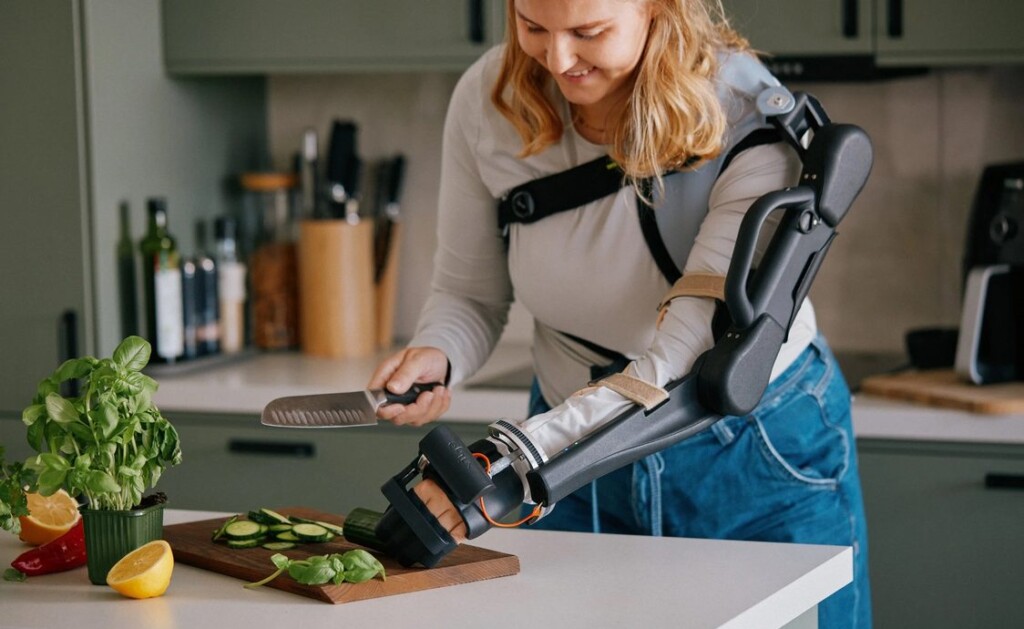
Johanne Hemnes using the Vilpower arm – credit Vilje Bionics
An exoskeleton for the entire arm has been invented and designed in Norway to help stroke victims recover the use of their arms.
It detects and then amplifies tiny movements through the arm and shoulder, and the developers hope to launch it as a fully commercial product this year.
Today, more and more people are surviving strokes, and living longer and longer with disabilities resulting from them. This creates the need for better therapies, accommodations, and regenerative treatments.
Vilje Bionics, the company behind the shoulder-mounted exoskeleton, says that most below-the-elbow prosthetics are for amputees, an few if any exist for victims of partial paralysis—like Johanne Marie Hemnes.
In 2017 Hemnes suffered a brain hemorrhage and collapsed in her living room. The resulting stroke paralyzed her down her left side—usually the result of a stroke in the right half of the brain.
All her rehab and focus was on the left leg to ensure she could walk again, and while that was successful, her arm was entirely neglected.
“I call my arm Jenny, because it feels like it’s not a part of me, because it doesn’t do what I want it to do,” she told Euro News, adding that she even considered cutting it off because it just got in the way. “But when I actually have this on, it feels like me again. It doesn’t just feel like another human being’s arm.”
Vilje Bionics’ robotic arm assists movements for the shoulder, elbow and hand, which makes it the world’s first exoskeleton for the entire arm. Many of the components were 3D-printed, and Vilje’s founder Saeid Hosseini, says it works by the user “thinking how they’d use their arm.”
“Because if you think, you make a small movement and then it amplifies that movement,” Hosseini said. “It detects very small movements of a residual movement of a paretic arm and amplifies those movements.”
40 people have trailed the Vilpower exoskeleton so far, and the company hopes it will be ready in the first 4 to 6 months of 2026 starting in Norway.
The robotic arm may be used for rehabilitation purposes in the future, but the company is currently focusing on helping “patients with lasting and significant disabilities to be more independent.”
According to the World Stroke Organization, one in four people will suffer a stroke at some point in their life.Hemnes has been able to get used to cutting vegetables and opening bottles again, exactly the kind of independence Hosseini wants his product’s users to be able to reclaim. 'It Feels Like Me Again': World’s First Arm Exoskeleton Gives Stroke Patients Independence
New Delhi, (IANSlife) It's that time of year when many people try to make New Year's resolutions, from going to the gym every day to eating healthier. Some swear to go to the gym five times a week, while others want to shed a considerable amount of weight by experimenting with a new diet. While these objectives are wonderful and have no flaws, we all know that these resolutions rarely persist. We all start the year with lofty goals that are difficult to achieve.
As we all know, our habits dictate our behaviors, which makes it even more important to develop positive habits that will benefit us over time. How does one reach their objectives? Before embarking on a tight diet plan, it is critical to begin cautiously and with attention. Small modifications in your everyday life connected to healthy eating habits can help you achieve your goals significantly.
So, here are some new year tips from Shilpa Khanna Thakkar, CEO of Chicnutrix, to keep you motivated:
. Choose general healthy eating habits over specific diets. Taking this up as practice makes it easily attainable and better for your overall well-being.
. Plan your meals! Think again if you are at work and go out for lunch and then get a snack or some coffee later. Making a conscious effort to pack a lunch and snack makes it easier to control your eating habits and is even more inexpensive in the long run.
. Every weekend, go grocery shopping and purchase snacks and food items for the next five days. This could include yogurt, nuts, fruits, veggies, etc. While cooking dinner, make a few extra servings for the next few days. Try to save and repurpose leftovers for days when you are too busy to cook. . Track your progress and milestones with non-food rewards such as reading a new book or watching a new movie. Celebrating your wins is essential, as that shows us what we are accomplishing and motivates us to accomplish more.
. Share your goal with others. This not only helps you get useful tips but also shows you that you are not alone in your journey towards good health and allows you to share your progress with others.
"In addition to healthy eating habits, another popular resolution during the new year is to exercise more. However, coming up with the goal of "going to the gym every day of the week" is quite unrealistic, especially for someone who does not exercise regularly. So, it is easier to devise a smaller goal, like taking daily walks, and then gradually build on this. The same needs to be applied to your resolution of eating better," said Shilpa Khanna Thakkar.Let's not forget the true essence of New Year's resolutions - making a positive change to your health and quality of life. They don't have to be extreme life changes, but rather just reasonable health goals to have a positive impact that becomes a part of your lifestyle. The cycle of unhealthy eating habits and unrealistic diets needs to be broken! When made, these conscious habits should not only enhance the quality of life you lead but also keep you healthy yet happy. Eating right: Just a New Year's resolution or a conscious habit? | MorungExpress | morungexpress.com
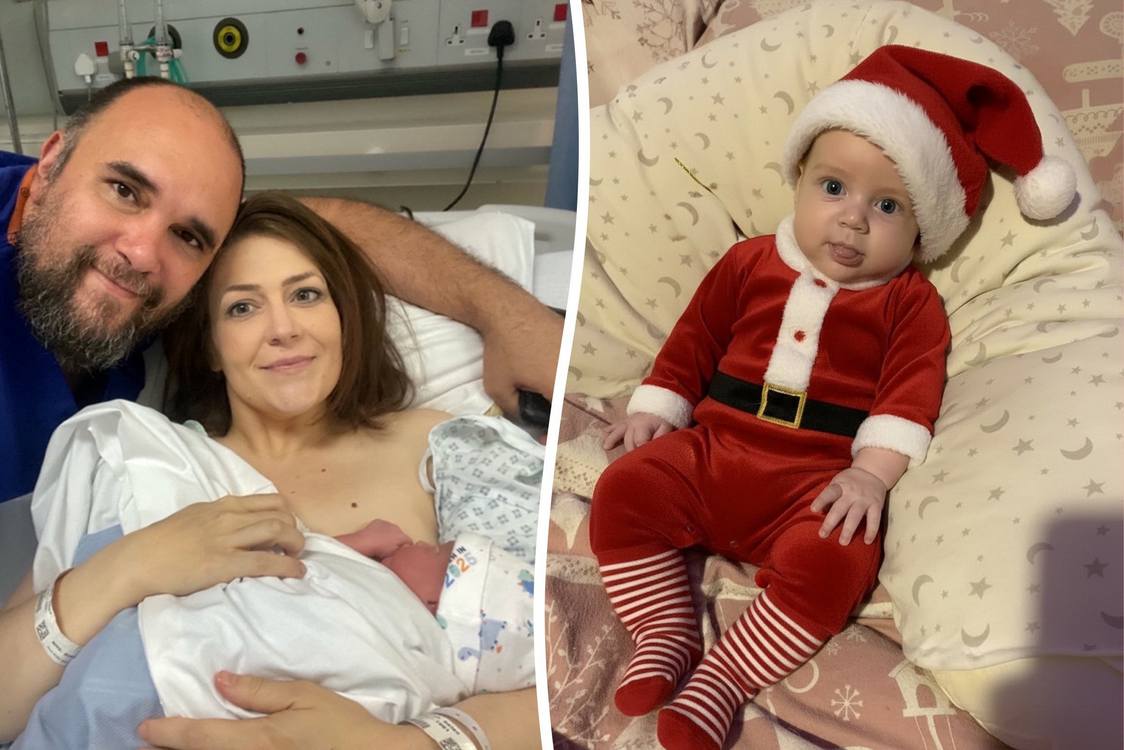
Helen Delgard and husband Stephane with baby Noah – family photo, via SWNS
A couple who started IVF last Christmas Day has given birth to a baby boy after 11 years of trying to conceive.
Helen Delgard was warned she may never be able to conceive naturally with her husband Stephane, but following a January surprise, they’re getting to celebrate Christmas with little Noah, who’s now 14 weeks old.
The couple started trying for a baby soon after they got together in 2014, but Delgard already had a complex medical history. She had undergone abdominal surgery to remove much of her bowel and been told she might never conceive naturally as a result
“I was very unwell when Stephane and I first met, so he was aware of my issues and we thought we’d just see where life took us,” Delgard told Britain’s Southwest News Service.
After a few years of trying, Delgard underwent a surgery to try and remove some of the scar tissue from previous surgeries which was believed to be potentially blocking her fallopian tubes. They were referred to Bristol fertility clinic for help after the surgery failed to make a difference.
After starting treatment on Christmas day, Delgard found out she was pregnant in January.
“However, despite all the care that had got us to that point, I became quite ill and experienced heavy bleeding at the end of the third week of pregnancy which led us and the medical team to anticipate that I might have lost the baby,” she told SWNS.
“My six-week scan was therefore carried out with the greatest delicacy, mindful of our potential loss, and the radiologist very sensitively positioned the screen so the image was not in our line of vision.”
“But then, with a huge smile, she turned it back and showed us Noah’s tiny heartbeat. We both broke down, and the team were crying too. After that it was a relatively uncomplicated pregnancy and our beautiful boy was born at 37 weeks, weighing 6lbs. 10oz.”“The support from the clinic throughout our journey was incredible… We thank the whole team and wish them a very merry Christmas.” Couple Who Started IVF Last Christmas Day Welcomed a Baby After 11 Year Battle
The facility is expected to greatly enhance treatment outcomes for patients suffering from severe burns and extensive skin loss, conditions that often pose life-threatening complications. (IANS Photo)
Thiruvananthapuram, December 23 (IANS): Kerala has taken a significant step forward in public healthcare with the commencement of skin processing at the state's first skin bank, established at the Government Medical College in state capital Thiruvananthapuram.
The facility is expected to greatly enhance treatment outcomes for patients suffering from severe burns and extensive skin loss, conditions that often pose life-threatening complications.
State Health Minister Veena George said the skin bank was set up to ensure world-class treatment for burn victims within the public health system.
The Minister added that steps are underway to establish a second skin bank at the Government Medical College in Kottayam, further strengthening the state's burn care network.
The skin bank preserves donated skin under strictly controlled temperature and safety protocols.
After undergoing a chemical processing phase of around three weeks, the skin is made suitable for clinical use.
It is then grafted onto patients through plastic surgery using advanced medical techniques.
Such skin grafts are vital in managing major burn injuries, where the loss of skin compromises the body's natural barrier and increases the risk of infection, fluid loss and severe pain.
According to medical experts, the transplanted skin functions as a biological dressing, providing immediate coverage to injured areas.
This helps in significantly reducing infection rates, easing pain, and preventing the loss of fluids and electrolytes, thereby stabilising patients during the critical stages of recovery.
The availability of banked skin is particularly crucial for patients with extensive burns, where sufficient healthy skin may not be available for auto grafting.
The first skin harvesting at the bank was made possible through the consent of the family of a brain-dead donor, highlighting the importance of awareness around skin donation.
Officials clarified that skin retrieval does not cause disfigurement to the body, as it is collected from non-visible areas such as the back of the thighs.
The procedure was carried out by a team led by Dr. Prem Lal from the Plastic Surgery Department.
Depending on clinical requirements, skin obtained from a single donor can benefit one or more patients.
The skin bank works in close coordination with burns units and specialised burns ICUs operating under the supervision of plastic surgery departments.These ICUs provide advanced care for patients with more than 10 per cent burn injuries, helping reduce infections, speed up healing, and improve survival rates, marking a major boost to Kerala's capacity for advanced burn management. Kerala's first skin bank becomes operational in Thiruvananthapuram | MorungExpress | morungexpress.com
Dr. Khaled Abdel Ghaffar, Deputy Prime Minister and Minister of Health and Population of Egypt, receiving a commendation from Dr. Hanan Balkhy, Regional Director for WHO’s Eastern Mediterranean Region – credit WHO
Egypt has become the 26th country to eliminate trachoma as a public health concern, building on a steady string of triumphs over tropical diseases.
Having eliminated lymphatic filariasis, malaria, and now trachoma in the last 30 years, Egypt has emerged as a continental leader in the control and eradication of neglected tropical diseases.
Trachoma, caused by the bacteria Chlamydia trachomatis, is the world’s leading cause of infectious blindness, and has been documented in Egypt for over 3,000 years.
Public health efforts to address its burden began in the early 20th century, when pioneering ophthalmologist Arthur Ferguson MacCallan established Egypt’s first mobile and permanent eye hospitals and laid the groundwork for organized trachoma control globally. Yet by the 1980s, it still blinded many adults and affected over half of all children in some Nile Delta communities.
Since 2002, the Ministry of Health and Population of Egypt, in partnership with the World Health Organization and other national and international stakeholders, has pursued trachoma elimination through the WHO-endorsed SAFE strategy, which represents Surgery for trichiasis, Antibiotics to clear the causative organism, Facial cleanliness and Environmental improvement.
Between 2015 and 2025, extensive mapping and surveillance across all 27 of Egypt’s governorates showed steady reductions in the proportion of children aged 1–9 years affected by active (inflammatory) trachoma, and no significant burden of the blinding complications of trachoma in adults.
Both indicators are now below WHO elimination prevalence thresholds nationwide. In 2024, Egypt integrated trachoma surveillance into its national electronic disease reporting system, which should facilitate rapid response to any future cases.
“Egypt’s elimination of trachoma as a public health problem underscores the nation’s sustained commitment to equitable healthcare delivery and the transformative impact of initiatives such as Haya Karima, which have expanded access to safe water, sanitation, and primary care services in rural communities,” said Professor Dr. Khaled Abdel Ghaffar, Deputy Prime Minister and Minister of Health and Population.
“This achievement is a collective triumph for Egypt’s health workers, communities, and partners who collaborated to eradicate this ancient disease.”
The country became the seventh in the WHO’s Eastern Mediterranean region to eliminate trachoma as a public health concern, defined as 1 in 1,000 adults with trichiasis. The region includes the Near and Middle East as far as Pakistan, the Arabian Peninsula, and North Africa, including Morocco and and Somalia.
“This milestone adds to Egypt’s strong track record in eliminating communicable diseases, including polio, measles, rubella, and most recently malaria. It demonstrates what can be achieved when political commitment, strong partnerships and years of sustained public health efforts, led by the Ministry of Health and Population, come together towards a shared vision,” said Dr. Nima Abid, WHO Representative to Egypt.
“Egypt’s achievement serves as an inspiring example for other countries in the Region and beyond.”
Following Egypt’s success, trachoma remains a public health problem in 30 countries and is responsible for the blindness or visual impairment of about 1.9 million people. Blindness from trachoma is difficult to reverse. Based on April 2025 data, 103 million people live in trachoma endemic areas and are at risk of trachoma blindness.Yet even devastatingly poor countries—such as Togo, Papua New Guinea, and Mauritania, can, and in fact already have, achieved what Egypt has. Egypt Becomes 26th Country to Eliminate Leading Cause of Infectious Blindness with Triumph Over Trachoma
It’s pretty normal to wear the same pair of jeans, a jumper or even a t-shirt more than once. But what about your socks?
If you knew what really lived in your socks after even one day of wearing, you might just think twice about doing it.
Our feet are home to a microscopic rainforest of bacteria and fungi – typically containing up to 1,000 different bacterial and fungal species. The foot also has a more diverse range of fungi living on it than any other region of the human body.
Most foot bacteria and fungi prefer to live in the warm, moist areas between your toes where they dine on the nutrients within your sweat and dead skin cells. The waste products produced by these microbes are the reason why feet, socks and shoes can become smelly.
For instance, the bacteria Staphylococcal hominis produces an alcohol from the sweat it consumes that makes a rotten onion smell. Staphylococcus epidermis, on the other hand, produces a compound that has a cheese smell. Corynebacterium, another member of the foot microbiome, creates an acid which is described as having a goat-like smell.
The more our feet sweat, the more nutrients available for the foot’s bacteria to eat and the stronger the odour will be. As socks can trap sweat in, this creates an even more optimal environment for odour-producing bacteria. And, these bacteria can survive on fabric for months. For instance, bacteria can survive on cotton for up to 90 days. So if you re-wear unwashed socks, you’re only allowing more bacteria to grow and thrive.
The types of microbes resident in your socks don’t just include those that normally call the foot microbiome home. They also include microbes that come from the surrounding environment – such as your floors at home or in the gym or even the ground outside.
In a study which looked at the microbial content of clothing which had only been worn once, socks had the highest microbial count compared to other types of clothing. Socks had between 8-9 million bacteria per sample, while t-shirts only had around 83,000 bacteria per sample.
Species profiling of socks shows they harbour both harmless skin bacteria, as well as potential pathogens such as Aspergillus, Candida and Cryptococcus which can cause respiratory and gut infections.
The microbes living in your socks can also transfer to any surface they come in contact with – including your shoes, bed, couch or floor. This means dirty socks could spread the fungus which causes Athlete’s foot, a contagious infection that affects the skin on and around the toes.
This is why it’s especially key that those with Athlete’s foot don’t share socks or shoes with other people, and avoid walking in just their socks or barefoot in gym locker rooms or bathrooms.
What’s living in your socks also colonises your shoes. This is why you might not want to wear the same pair of shoes for too many days in a row, so any sweat has time to fully dry between wears and to prevent further bacterial growth and odours.
Foot hygiene
To cut down on smelly feet and reduce the number of bacteria growing on your feet and in your socks, it’s a good idea to avoid wearing socks or shoes that make the feet sweat.
Washing your feet twice daily may help reduce foot odour by inhibiting bacterial growth. Foot antiperspirants can also help, as these stop the sweat – thereby inhibiting bacterial growth.
It’s also possible to buy socks which are directly antimicrobial to the foot bacteria. Antimicrobial socks, which contain heavy metals such as silver or zinc, can kill the bacteria which cause foot odour. Bamboo socks allow more air flow, which means sweat more readily evaporates – making the environment less hospitable for odour-producing bacteria.
Antimicrobial socks might therefore be exempt from the single-use rule depending on their capacity to kill bacteria and fungi and prevent sweat accumulation.
But for those who wear socks that are made out of cotton, wool or synthetic fibres, it’s best to only wear them once to prevent smelly feet and avoid foot infections.
It’s also important to make sure you’re washing your socks properly between uses. If your feet aren’t unusually smelly, it’s fine to wash them in warm water that’s between 30-40°C with a mild detergent.
However, not all bacteria and fungi will be killed using this method. So to thoroughly sanitise socks, use an enzyme-containing detergent and wash at a temperature of 60°C. The enzymes help to detach microbes from the socks while the high temperature kills them.
If a low temperature wash is unavoidable then ironing the socks with a hot steam iron (which can reach temperatures of up to 180–220°C) is more than enough kill any residual bacteria and inactivate the spores of any fungi – including the one that causes Athlete’s foot.
Drying the socks outdoors is also a good idea as the UV radiation in sunlight is antimicrobial to most sock bacteria and fungi.
While socks might be a commonly re-worn clothing item, as a microbiologist I’d say it’s best you change your socks daily to keep feet fresh and clean.
Global life expectancy has climbed from about 51 years in 1960 to 73.3 years in 2023, driven by advances in health care, sanitation and living standards, according to new study by the YSMU Heratsi National Research Center. Despite a brief setback during the COVID-19 pandemic, worldwide longevity has returned to its long-term upward path.
Japan remains a global leader, rising from roughly 68 years in 1960 to 84 years in 2023. Hong Kong and Monaco are the only places reporting higher figures. Italy, at 83.7 years, continues to benefit from strong health systems and diet-related habits common across much of Europe.
The United States increased from about 70 years in 1960 to 78.4 years in 2023, but its progress has been slower than that of other high-income nations due to issues including opioid misuse, obesity and health inequities. China, meanwhile, recorded one of the world’s most dramatic gains, jumping from about 33 years in 1960 to 78 years in 2023, supported by economic growth and improved medical access.
Armenia’s life expectancy reached 78.6 years in 2024, its highest in more than two decades. As in many countries, women live longer than men: women reached 81.7 years and men 75.1 years, up from 75.8 and 70.1 years respectively in 2000.
Regional differences remain stark. Africa’s average life expectancy stood at 63.8 years in 2023, ranging from 76.5 in Tunisia to 54.8 in Nigeria. Asia averaged 74.6 years, led by Hong Kong at 85.5 and Japan at 84.7, while Afghanistan recorded the lowest at 66. Europe averaged 79.1 years, with Monaco topping the list at 86.4 and Moldova lowest at 71.2. In South America, Chile led at 81.2 years, while Bolivia posted 68.6. Australia reported 83.9 years.Life expectancy is a key measure of society's well-being, reflecting the health, economic and social conditions, which is essential for shaping effective public policy. Source: https://www.panorama.am/
A fall from a 10 foot ladder triggered a cascade of neurological problems that might have left an Ontario man paralyzed on his right side for life.
But working with a device that delivers an electrical shock through the tongue has allowed him to recover movement and speech, and even has him looking towards a future where he can return to work.
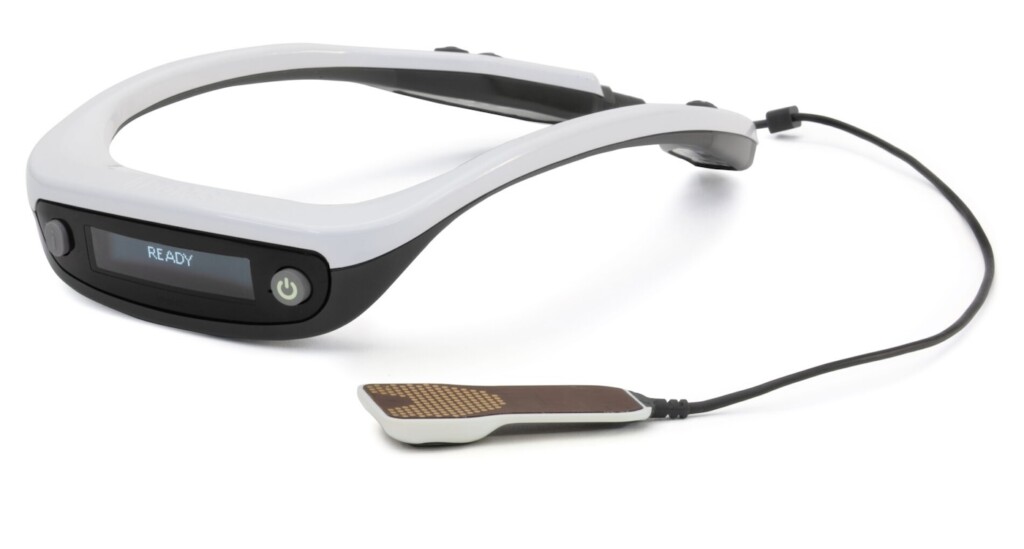
Combined with traditional speech and movement therapy, Mark Foster uses a portable neuro-modulation stimulator, or PoNS device, to deliver a very small electrical current through his tongue to the brain. The current, controlled via a collar worn around the neck, helps form new pathways for existing skills, and can help increase the efficacy of existing therapies.
Foster has been truly impressed, and made more progress in 6 months with the PoNS device than in 4 years of traditional therapy.
“I would say that it has helped an immense amount with confidence,” Foster told London Free Press. “It hasn’t been perfect, don’t get me wrong… but I’m having an easier time getting around.”
Foster, from London, Canada, was laying electrical wire on a build site in Paris (also in Canada), when he fell onto the cement below. He stood up, dusted himself off, and after a moment, concluded he was fine.
Then, at the urging of a coworker, he went to the hospital for a CT scan and MRI. They concluded he had extensive swelling, but also an unusual formation of cells in his brain called a cavernoma that would have pre-dated the fall. A week later, unable to sleep, Foster went for a warm shower, which increased his blood pressure and led to a stroke.
Interestingly enough, he was recovering well from the stroke itself, before his wife Sonia noticed him slurring his speech and having trouble with balance. They returned to the hospital and found the swelling in his brain’s cavernoma area so extreme that the determination was to perform brain surgery immediately, as he was bleeding and experiencing something like a mini-stroke.
It erased both the progress Foster had already made, and most of the hope he had left.
“It took a long time to go from absolutely nothing,” Foster said. “It broke my heart, but at the same time, it gave me a reason to kind of push myself trying to get back into the swing of things.”
The PoNS device, built by Helius Medical Technology, was originally designed to assist in multiple sclerosis recovery, but also, recently and successfully underwent an FDA-overseen Phase 3 clinical trial for stroke rehabilitation.
Over 100 patients undergoing a double-blinded, placebo-controlled trial found significantly increased benefit from physical rehabilitation for both balance and gait when using the PoNS device.
In June, CignaHealth became the fifth major payer to authorize a claim for the PoNS mouthpiece and controller at out-of-network adjusted negotiated list price of $19,161. The average in-network contracted payment rate is $18,350.
New Delhi (IANS): Between 2010 and 2024, India achieved 48.7 per cent decline in annual new HIV infections, 81.4 per cent reduction in AIDS-related deaths and 74.6 per cent decline in mother-to-child HIV transmission, the government said on Sunday, ahead of the 'World AIDS Day 2025'.
India continues to demonstrate substantial progress under the current phase of the National AIDS Control Programme.
“HIV testing increased from 4.13 crore (2020–21) to 6.62 crore (2024–25); access to antiretroviral treatment rose from 14.94 lakh to 18.60 lakh PLHIV; and viral load testing nearly doubled from 8.90 lakh to 15.98 lakh in the same period,” said the Health Ministry.
These outcomes surpass global averages and reflect India’s leadership, sustained domestic investment, evidence-based strategies, and robust community engagement.
Health Minister Jagat Prakash Nadda will lead the national-level observance of ‘World AIDS Day’ at Vigyan Bhawan here on Monday, in the presence of senior officials — reaffirming the government’s unwavering commitment to advancing the national response to HIV prevention, treatment, care, and stigma elimination.
The event, organised by the National AIDS Control Organisation (NACO), will bring together government leaders, development partners, youth representatives, community advocates, people living with HIV (PLHIV), and frontline health workers, reflecting a united approach to accelerating India’s journey towards ending AIDS as a public health threat.
According to the ministry, a youth-led flash performance will underscore the importance of awareness and responsible behaviour.
This will be followed by the inauguration of a thematic exhibition, showcasing digital innovations, programme achievements, and community-led models implemented under the National AIDS and STD Control Programme.
Beneficiary experience stories and an audio-visual presentation will highlight India’s progress under NACP-V, along with upcoming priorities, said the ministry.A major highlight of the observance will be the launch of a new campaign video series under NACO’s national multimedia initiative, centred around three core pillars — Youth and Awareness, Elimination of Vertical Transmission, and Stigma and Discrimination. World AIDS Day: HIV infections down 49 pc, deaths reduced by over 81 pc in India | MorungExpress | morungexpress.com
When we think of elite athletes, we generally think of people who are at the top of their game physically.
We assume they do everything better than mere mortals – but what about when it comes to getting a good night’s sleep?
Does being a superhuman athlete make you a superhuman sleeper?
Why sleep matters
Exercise has long been associated with better sleep and it seems reasonable to assume most elite athletes are good sleepers – after all, their job is to exercise and recover.
However, many athletes fail to clear the bar when it comes to getting enough sleep.
In fact, in a 2021 sample of 175 elite Australian athletes from 12 sports, only 3% obtained enough sleep on a regular basis, while 71% fell short by an hour or more.
For some athletes (think individual sport athletes like swimmers, triathletes and cyclists), it is regular early morning training sessions combined with very few days off that makes things difficult.
For others (think team sport athletes like Australian rules footballers and netballers), it is training and competition schedules that change from week to week combined with travel that impact sleep.
So why does it even matter? In short, because sleep plays a part in athletic performance.
In a recent consensus statement, sleep and sports scientists from around the world recognised sleep’s importance for athletic performance. They also agreed elite athletes are particularly susceptible to insufficient sleep.
Many leading athletes – including eight-time Olympic gold medal sprinter Usain Bolt, four-time National Basketball Association title winner LeBron James, and 20-time Grand Slam tennis champion Roger Federer – agree sleep is crucial to success.
Sleep, illness and injury
Studies suggest elite athletes can still perform at or near their best after a night of insufficient sleep.
But whether they can perform day after day (like during an intensive training block) after multiple nights of insufficient sleep is the real championship question – one that we don’t quite have the answer to yet.
But let’s not forget the two words that can stop any athlete in their tracks – illness and injury.
People who obtain 5-6 hours of sleep per night are 4.5 times more likely to develop a common cold following exposure to rhinovirus compared to people who obtain seven hours of sleep per night.
If elite athletes don’t get enough sleep, they are more likely to get ill.
The relationship between sleep and risk of injury in elite sport is not as clear.
The ability to tolerate high levels of training is critical for athletes. Without enough sleep on a regular basis, an athlete may struggle to recover from training and poor recovery can impair subsequent performance.
For this reason alone, many sleep and sports scientists believe sleep is critical for performance because it is the foundation of recovery.
Some tips for coaches and athletes
At the highest level, small improvements in performance can be the difference between finishing on the podium or back in the bunch.
Recently, many teams have attempted to optimise the sleeping conditions of their riders by using “recovery buses” – that transport cyclists from one stage of the race to the next – and outfitting hotel rooms with personalised mattresses and pillows.
Despite the gruelling demands, riders’ average sleep duration is surprisingly reasonable – about 7.2 hours per night.
But not all athletes and teams have access to recovery buses and personalised hotel rooms.
What are some of the other strategies that athletes can adopt to ensure good sleep?
Here are some tips (for athletes and coaches) to consider when thinking about sleep:
ensure you are spending enough time in bed to get the sleep you need – to get the recommended eight hours of sleep per night, we need a “sleep opportunity” of about nine hours in bed
avoid training too early (before 6am) and/or minimise the number of early morning starts in a row
evening competition results in delayed sleep opportunities. Minimise the number of activities athletes engage in immediately after competition and if possible, delay the start time of next-day recovery sessions
use strategic daytime naps to supplement reduced night-time sleep opportunities (limit naps to one hour, use an alarm and target late morning or early afternoon)

















.jpg)

