India's auto sales hit record July high, passenger vehicle dispatches jump 34.3 pc: SIAM (AI Image/IANS)
New Delhi, (IANS): India's automobile industry recorded its strongest-ever July sales performance with passenger vehicle, two-wheeler and three-wheeler dispatches posting robust double-digit growth, according to data released by industry body Society of Indian Automobile Manufacturers (SIAM) on Thursday.
According to the SIAM data, domestic passenger vehicle dispatches from manufacturers to dealers rose 34.3 per cent year-on-year to 4,57,810 units in July compared with 3,40,772 units in the same month last year.
Meanwhile, two-wheeler sales increased 22.6 per cent to 19,23,483 units last month from 15,69,120 units a year earlier, while three-wheeler dispatches also registered strong growth and rose 33.4 per cent to 92,560 units against 69,403 units in July 2025.
Commenting on the performance, SIAM Director General Rajesh Menon said the industry delivered its strongest-ever July sales, supported by broad-based growth across segments.
"India's auto industry delivered its strongest-ever July sales, with robust double-digit growth across Passenger Vehicles, Three Wheelers and Two Wheelers. Passenger Vehicle sales rose 34.3 per cent to 4.58 lakh units, Three-Wheeler sales grew 33.4 per cent to 0.93 lakh units and Two-Wheeler sales increased 22.6 per cent to 19.23 lakh units compared with July 2025," Menon said.
He added that the positive momentum, sustained over several months, has continued as the industry enters the festive season, with expectations of strong consumer sentiment supporting demand.
In addition, in the two-wheeler segment, scooter sales climbed 23.7 per cent to 7,98,190 units, while motorcycle sales grew 20.7 per cent to 10,74,796 units.
Air quality continues to improve across Europe, with emissions from most of the major pollutants declining by significant amounts.
“The overall picture remains positive,” according to the annual Assessment Report on European Air Quality 2025, released by the Copernicus Atmosphere Monitoring Service (CAMS), an EU program that has monitored changing air pollution levels for over ten years.
“Air quality continues to improve in Europe, with emissions of key air pollutants declining across the continent as a result of long-standing air quality policies, technological improvements, and cleaner industrial and transport systems,” said the report.
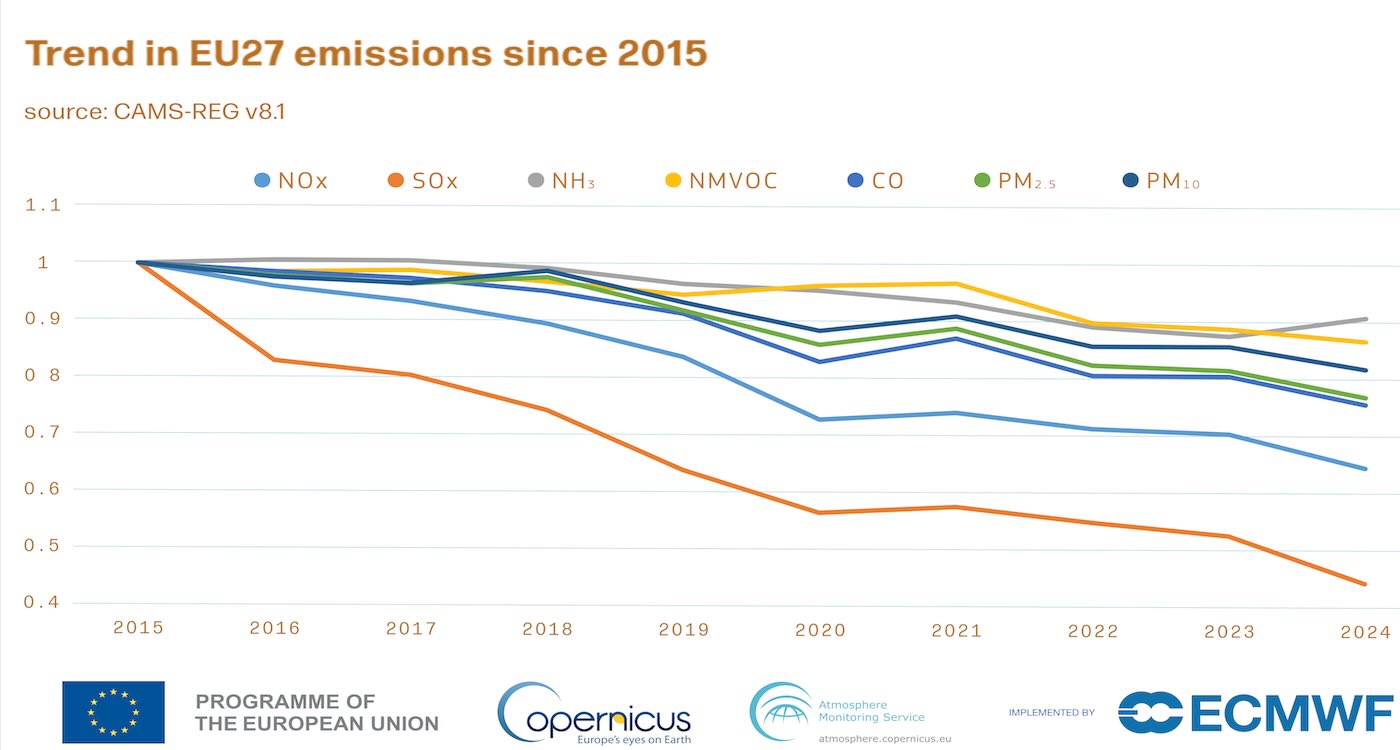
In the past decade, CAMS monitoring shows that emissions of sulphur oxides and nitrogen oxides have fallen by approximately 3-5% per year, across the European Union.
The most significant reductions have been achieved in industry (like smokestack emissions) and road transport (like car emissions).
Since 2015, industrial emissions of sulphur oxides have fallen by 59%, while nitrogen oxide emissions from industry have declined by 39%.
Road transport emissions have also fallen substantially, with reductions of 40% for nitrogen oxides and 34% for fine particulate matter (PM2.5).
Each colored line represents a major pollutant in 10-year trend:
Courtesy of CAMS / Copernicus
The CAMS Air Quality report provides a clear indication that air quality policies are working. At the same time, a deeper dive into the report demonstrates that year-to-year variations in weather conditions can significantly influence pollution levels, even as long-term trends continue to improve.
Posted by Harry Baldock: For more than two decades, the World Communication Awards (WCAs) has set the global benchmark for excellence, innovation, and leadership across the telecoms industry. Recognised worldwide as one of the sector’s most prestigious honours, the WCAs celebrate the companies and individuals driving meaningful change and shaping the future of global communications.
The WCAs is judged by an independent panel of more than 100 industry experts and every entry undergoes a rigorous review process to ensure the awards recognise genuine innovation, measurable impact, and outstanding achievements,
From 5G, AI, cloud and cyber security to submarine networks, sustainability, crisis response, customer experience and beyond, there is a category for every part of the telecoms ecosystem.
Think you could be a winner? Make sure you get started on your entry today! Enter all nominations before the deadline on Friday 19th June 2026. Top tip: you can part complete your entry and come back to it later.
Winners from the World Communication Awards 2025
5G Award
Winner: Singtel, in partnership with Ericsson, for Singtel 5G+
(Silver Award: KT, AICT Company)
Access Innovation
Winner: Ericsson and Telstra for the world’s first 5G triple-band FDD Massive MIMO
(Silver Award: Rakuten Symphony, Rakuten Site Management’s Fiber Manager)
AI Innovation
Winner: Jio Platforms for JioBrain
(Silver Award: Chunghwa Telecom)
Best Digital Transformation Programme
Winner: Ericsson and IOH for their Digital Monetization Platform
(Silver Award: Jazz and Huawei)
Best Network Evolution Initiative
Winner: Colt Technology Services for their global Optical network
New York, (IANS) France captain Kylian Mbappe has won the Golden Boot for FIFA World Cup 2026, retaining the title of tournament top scorer which he claimed at Qatar 2022.
The France forward took his tally to ten with a double in Les Bleus’ 6-4 defeat by England in an enthralling and end-to-end Bronze final in Miami on Saturday. Having struck eight times to finish top scorer at Qatar 2022, Mbappe became the first player to win the World Cup Golden Boot twice.
The 27-year-old was the first man to reach double figures for World Cup goals since Gerd Muller for West Germany in 1970. Only Just Fontaine, who hit 13 for France in 1958, and Hungary's Sandor Kocsis with 11 in 1954, have scored more individual goals in a single tournament.
Mbappe opened his scoring account in France's opener by netting a spectacular brace against Senegal, thus becoming the top scorer in his national team's history. He scored another two goals against Iraq and two more against Sweden in the round of 16. He then scored the winning goal against Paraguay in the round of 16 and found the net again against Morocco in the quarterfinals.
To cap off his outstanding tournament and secure the trophy, he scored 2 goals in the third-place match against England. Lionel Messi was the second-highest scorer with 8 goals, and Jude Bellingham finished third with 7.
Mbappe, who is now the all-time leading scorer in FIFA World Cup history, has been in electric form throughout June and July, leading France to the semi-finals, where they were beaten 2-0 by Spain.
The 27-year-old, who scored four times as his nation lifted the trophy at Russia 2018 and added eight more as they reached the final four years later, bagged braces in the group games against Senegal and Iraq and again in the Round of 32 success against Sweden.
His double-figure haul ensured he took the crown ahead of Lionel Messi, who he had traded places with at the top of the Golden Boot standings several times, as the Argentina legend ended his campaign with eight goals.Mbappe, who also claimed the Bronze Ball for his performances, then fired home the crucial penalty to overcome Paraguay and hit the opener in France’s 2-0 quarter-final success against Morocco, drawing a blank against La Roja before adding two more in the defeat by England. Mbappe becomes first player to win Golden Boot twice | MorungExpress | morungexpress.com
Guwahati, (IANS): In another milestone for wildlife conservation, the latest bird survey in Assam's Kaziranga National Park and Tiger Reserve (KNPTR) has recorded 30 species of raptors with 217 individual birds and six species of storks with 266 individual birds, officials said on Saturday.
The survey highlights Kaziranga's rich avian biodiversity and reinforces the protected area's significance as a vital habitat for several species of birds, including birds of prey and wetland-dependent storks.
KNPTR Director Sonali Ghosh said that, in a significant step towards science-based wildlife management, the Kaziranga Tiger Reserve authority, in collaboration with research scholars from different universities in Assam, conducted a comprehensive stork and raptor survey during February-March this year.
The survey report was released on World Environment Day on Friday.
“The survey recorded a total of 30 species of raptors with 217 individual birds and six species of storks with 266 individual birds,” Ghosh said. She said that the rapid survey was conducted by a team of 10 expert enumerators between the last week of February and the first week of March 2026, across all administrative ranges under the Eastern Assam Wildlife Division of KNPTR. Nesting locations identified during the current year were also included in the overall analysis.
The official said that the national park supports a wide variety of diurnal and nocturnal raptors, including eagles, falcons, vultures, buzzards and owls. Its vast network of wetlands is also home to numerous resident and migratory stork species. A total of 112 species of raptors have been recorded in India, of which nearly 50 species are found in Kaziranga National Park and its adjoining landscape.
Assam’s rich wetlands and the foothills of the Himalayas provide critical habitats for these birds of prey.
“Globally, there are 20 species of storks, primarily found in tropical and subtropical regions. About 50 per cent of them, or eight species, have been recorded in India. All these eight species are also found in Assam and the Kaziranga landscape. The region’s vast network of wetlands and tall trees provides them with safe nesting and feeding grounds,” the KNPTR Director noted.
The latest survey conducted across Kaziranga Tiger Reserve revealed a remarkable diversity of raptors and storks spread across its three administrative divisions. Kaziranga National Park recorded the highest diversity with 21 species of raptors and five species of storks, followed by Biswanath Wildlife Division with 20 species of raptors and six species of storks. Nagaon Wildlife Division recorded 14 species of raptors and five species of storks.
According to the senior Indian Forest Service (IFS) officer, among the stork species, the Asian Openbill was the most abundant, with 92 individual records across all divisions, while the Greater Adjutant was the rarest, with only three individual sightings. Among the raptors, the Himalayan Griffon Vulture was the most commonly sighted bird of prey, with 69 individual records. The Booted Eagle and White-tailed Eagle were the rarest species, with only one sighting each.
Kaziranga’s landscape also serves as a vital stronghold for the globally threatened Pallas’s Fish Eagle (Haliaeetus leucoryphus).
In a remarkable example of international wildlife research, the Wildlife Science and Conservation Centre of Mongolia confirmed that a male Pallas’s Fish Eagle named ‘Ider’ was tagged at Buuntsagaan Lake in central-western Mongolia on August 21, 2020. Since then, the bird has returned to Kaziranga National Park every year for breeding, changing its nesting location only once, the official said.
She added that during the non-breeding season, from June to September, the bird consistently returns to Buuntsagaan Lake in Mongolia.
A survey conducted by the Wildlife Institute of India (WII) in January 2020 reported 10 active nests of Pallas’s Fish Eagle in Kaziranga, making it the protected area with the highest number of known breeding sites for the species anywhere in the world. These findings underline Kaziranga’s global importance for the conservation of the species and highlight priority areas for action, including protection of nesting and floodplain habitats, mitigation of powerline electrocution, continued telemetry monitoring, and strengthened international collaboration to secure the species’ remaining populations, Ghosh said.
The findings, she said, would contribute significantly to ongoing efforts to protect threatened raptor and stork species and further enhance conservation management across the park’s diverse habitats. Most of these species are listed under Schedule I of the Wildlife (Protection) Act, 1972, which provides them the highest degree of legal protection in India.
The latest survey underscores the importance of preserving Kaziranga’s unique and diverse landscape and highlights the critical ecological role played by raptors and storks in maintaining the health and balance of the ecosystem, the KNPTR Director said.
Kaziranga National Park and Tiger Reserve, India's seventh UNESCO World Heritage Site, is home to the famed ‘Big Five’ wildlife species.
Melbourne: Carlos Alcaraz of Spain poses with the Norman Brookes Challenge Cup during the 2026 Australian Open men's champion media opportunity at the Royal Exhibition Building in Melbourne, Australia, Feb. 2, 2026. (Xinhua via IANS)
New Delhi, (IANS) World No. 2 Carlos Alcaraz has pulled out of both Wimbledon and the Queen's Club Championships while he continues to recover from a persistent right wrist injury, marking a significant setback for the grass-court season and the year’s third Grand Slam.
The Spaniard confirmed the decision in a message posted on X, saying he was still not physically ready to return to competition despite progress in rehabilitation.
“My recovery is going well, and I feel much better, but unfortunately, I'm still not ready to be able to play, and that's why I have to withdraw from the grass-court swing at Queen's and Wimbledon. They are two really special tournaments for me, and I'll miss them a lot. We keep working to return as soon as possible"! Alcaraz wrote.
The withdrawal continues a frustrating spell on the sidelines for the 23-year-old, who has not played competitively since his injury concerns intensified during the clay-court season earlier this year. Alcaraz had already pulled out of the Italian Open in Rome as well as the French Open, where he had been due to defend the title he won in dramatic fashion last season.
The Spaniard lifted the French Open trophy in 2025 after defeating world No. 1 Jannik Sinner in an epic five-set final that lasted five hours and 29 minutes, widely regarded as one of the greatest Grand Slam finals in recent years.
However, concerns over his fitness had been building for weeks before this year’s French Open. Alcaraz withdrew from the Barcelona Open after receiving treatment on his right wrist and forearm during his opening-round match, before also skipping the Madrid Open.
At the 2026 Laureus Awards earlier this year, where he was named Sportsman of the Year, Alcaraz appeared wearing a brace on his right wrist, further fuelling doubts over his immediate playing future. He later confirmed that medical evaluations had forced him to step away from competition in order to avoid aggravating the injury.
“After the results of the tests carried out today, we have decided that the most prudent thing to do is to be cautious and not participate in Rome or Roland-Garros as we wait to evaluate the progress so we can decide when to return to the court. This is a difficult time for me, but I am sure we will come out of it stronger,” Alcaraz had said in a statement in April.
The latest setback means Wimbledon will become only the third Grand Slam tournament Alcaraz has missed in his career. Before sidelining himself from the upcoming French Open, the Spaniard had withdrawn from the Australian Open back in 2023 because of a hamstring injury.With Alcaraz now sidelined for the entire grass-court swing, attention is likely to shift even more heavily towards Sinner, Novak Djokovic, and other leading contenders as the tennis calendar moves deeper into the Grand Slam season. Alcaraz pulls out of Wimbledon and Queen’s owing to lingering wrist injury | MorungExpress | morungexpress.com
Atlanta, (IANS) After securing an unforgettable 3-2 Round of 16 victory with a late winner against Egypt in the FIFA World Cup 2026 last-16 tie, Argentina midfielder Enzo Fernandez said he has been "longing for this goal since the World Cup in Qatar".
Fernandez, who memorably scored in Argentina’s crucial 2-0 win over Mexico four years ago, hadn’t yet played a leading role in the FIFA World Cup 2026 until he made his presence felt in the third minute of stoppage time to head in a perfect cross from Lautaro Martinez, sending the Argentina crowd into a frenzy on Tuesday.
“It’s the most important goal of my career,” said Fernandez after the match. “It’s first, and the second is the Mexico one. I’ve been longing for this goal for about three years, ever since the World Cup in Qatar. To be able to experience moments like this — honestly, I thank God. I feel privileged."
“When the ball went in, I thought of my whole family up there in the stands, of everyone in the stadium, and of the people back in Argentina. Honestly, my heart was filled with emotion and pride. We know that all Argentines are rooting for us, and that’s absolutely crucial for us," he added.
Fernandez and Co. showed great character by rallying from a deficit for the first time in a World Cup match in the Scaloni era. Egypt were in control, leading 2-0 until the 79th minute, when Cristian Romero pulled one back with a header. Then, Lionel Messi equalised in the 83rd minute before the winner from Fernandez, whose goal was the 3,000th in FIFA World Cup history.
India holds crown as fastest-growing economy with IMF projecting 7 pc growth in current calendar year. (IANS Photo)
United Nations, July 8 (IANS): Astutely navigating the shoals of global economic uncertainties, India is holding on to its crown as the world’s fastest-growing major economy with the International Monetary Fund (IMF) projecting it to grow at 7 per cent during the current calendar year.
The World Economic Outlook (WEO) Update released on Wednesday projected India’s gross domestic product to moderate in the next calendar year to 6.4 per cent.
The Indian economy’s projected performance is "supported by strong momentum in private consumption and services activity", the report said.
The report gave two sets of projections based on time periods for India -- for the fiscal year in the main chart and for the calendar year in a footnote explanation to the chart.
The projections on the basis of India’s fiscal year starting in April used in the report’s main chart and in the text put the growth at 6.4 per cent for the current fiscal year and rising to 6.7 per cent the next fiscal year.
India keeps the fastest-growing major economy rank on the fiscal year projections also.
The WEO Update reduced the fiscal year projection made in the main WEO in April by 0.1 per cent for the current fiscal year but increased it by 0.2 per cent for the next.
The fiscal year basis of growth was 7.7 per cent in 2025-26 before the Iran war had its impact, according to the WEO Update.
India’s growth projections are more than twice the global numbers.
The report gave a 3 per cent projection for the world economy’s growth this year, and expected it to rise to 3.4 per cent next year.
But it presented a relatively positive outlook for the world.
"The global economy as a whole has, so far, weathered the shock from the war better than feared," the IMF said.
"Movements in and repercussions from the main channels of transmission -- commodity prices, inflation expectations, and financial conditions -- have been relatively limited," it said.
“The effects of the war in the Middle East (are) being partly offset by accelerated demand-driven momentum in the global technology cycle thanks to advances in artificial intelligence and its adoption," it added.
China, which is the second fastest-growing economy, was projected to grow by 4.6 per cent this year and lose a half point, falling to 4.1 per cent next year.
The US ranked third with a projected growth of 2.3 per cent this year and 2.2 per cent next year.
US President Donald Trump in a recent TV interview indicated that India’s high growth rate could be a benchmark for the US.
"You have a couple of countries, India is one, doing very well, but it's at 7, 8 per cent," he said.
But the US, Trump said, is being held back from an ambitious growth target by a conservative Federal Reserve that is keeping the interest rates high.
The European Union’s growth projection is a paltry 0.9 per cent this year and1.2 per cent the next.
The IMF’s rating of India’s growth is within the ranges set by several other organisations and banks, all of which mark India as a high-flyer.
The World Bank, in a report last month, said India was expected to grow by 6.6 per cent this fiscal year, rising to 7.2 per cent the next.
The UN said India was expected to grow by 6.4 per cent this year.
"We have seen structurally very robust growth in India, which has been driven by consumer demand, by public investment, but also by strong performance in services exports," Ingo Pitterle, the UN’s senior economist heading its Global Economic Monitoring Branch, said when the report was released last month.
The Reserve Bank of India, also last month, set this fiscal year's growth at 6.6 per cent.
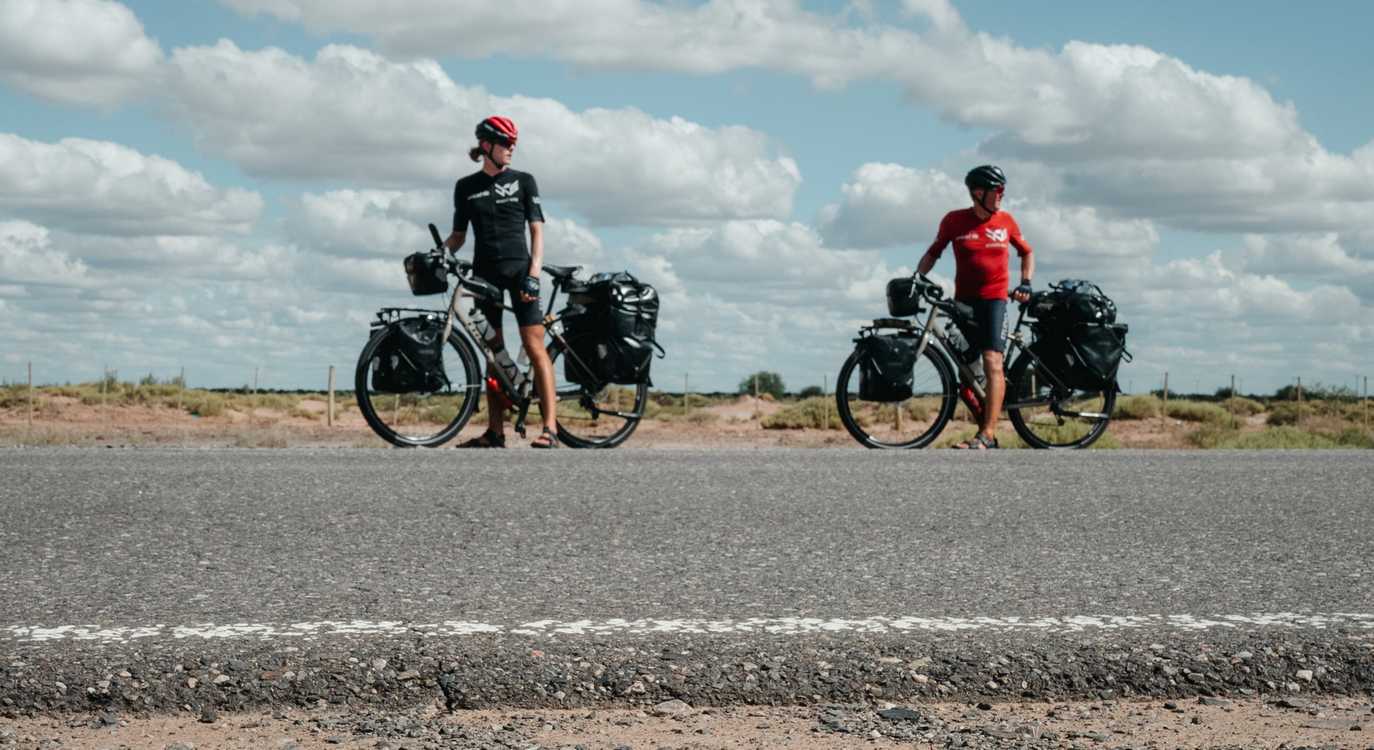
A father and son broke 3 world records after spending a year cycling around the world.
George Kohler and his 23-year-old son Josh set off on their mammoth challenge on March 29th, 2025, from their home near Norwich in the UK.
In total, the duo traveled 18,000 miles and 14 months as they crossed Asia, Australia, South America, and Europe, arriving, as Ivan Goncharov wrote, to the right of their front door, having departed to the left.
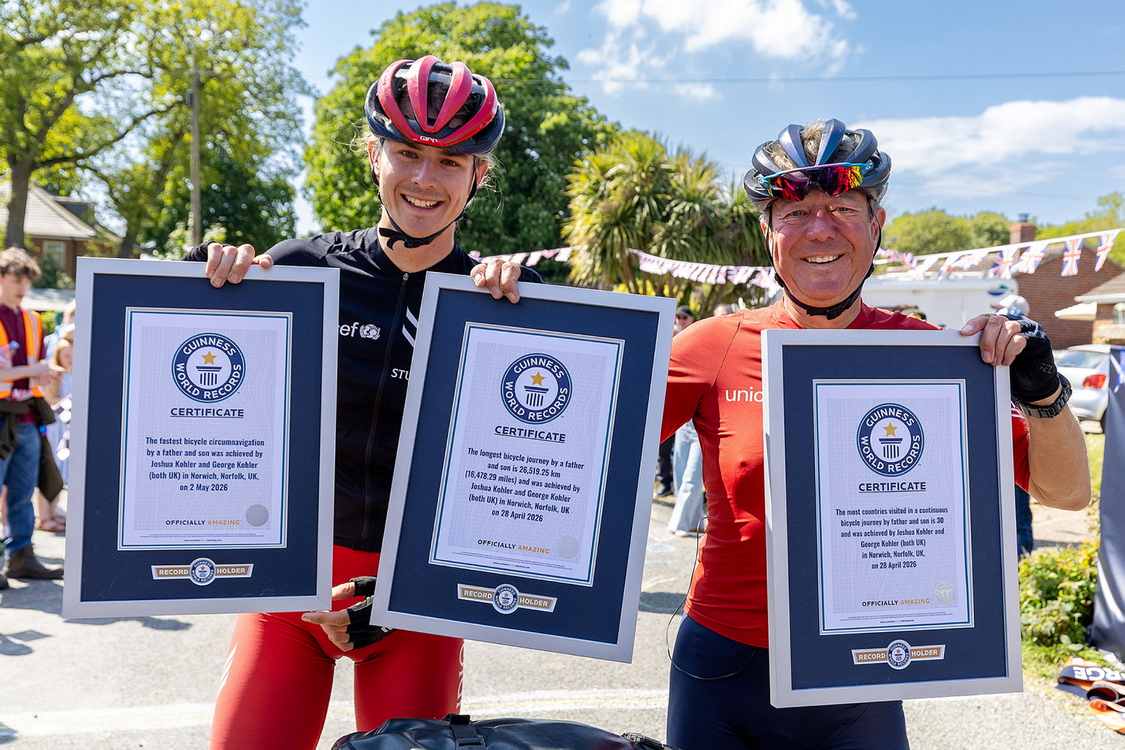
When they arrived home, the all-conquering pair were presented with world record certificates for the fastest bicycle circumnavigation, the longest bicycle journey, and the most countries visited in a continuous bicycle journey, by a father and son.
Josh spoke with Southwest News Service in the UK about their trip.
“There were thousands of highlights on this trip,” he said.
“One standout moment is when we were cycling through a remote part of Turkey. We heard a shout on the hillside, and a shepherd was standing, beckoning us over. We walked up to him, and he offered to share his breakfast with us.”
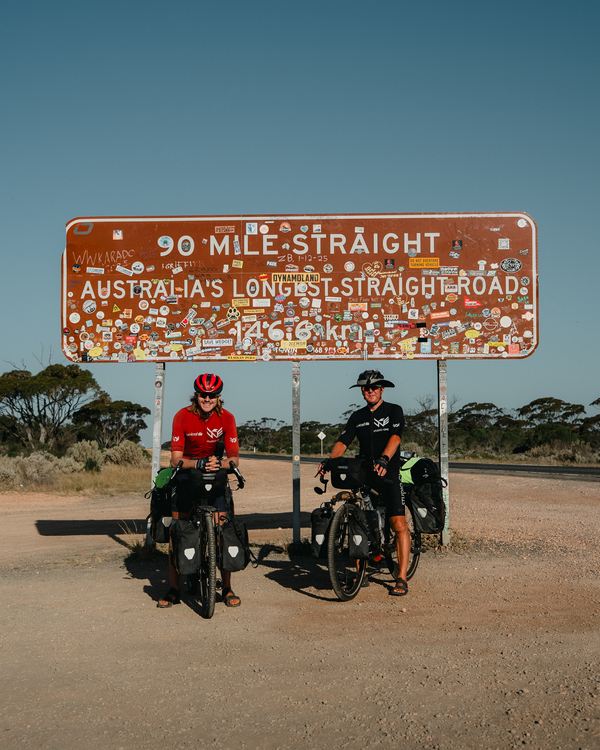
George and Josh in Australia – credit, Joel Chant / Platinum Live / SWNS
“He had a pot on the campfire. We had eggs, bread and cheese, and we sat there. We wouldn’t speak Turkish, and he couldn’t speak English, but we had this incredible interaction with him.”
The Kohlers started long-distance cycling voyages when Josh was in High school, going the distance of the UK in 2021, and coast-to-coast in the US in 2022.
“We had to learn to get our bodies used to doing long cycles.”
2 years later, Josh proposed to his 57-year-old dad that they should cycle around the world. His dad, George, a chimney sweep, had a simple response: “Perfect, why not?” The pair were on their way.
From their home, the pair headed to South America, Australia, Asia, and Europe before arriving home after 400 days.
“We definitely had a full range of experience over the year,” Josh said. “Our bodies were tested day in day out, we were expecting the mental side of things to be tough as we anticipated long sprints.”
George and Josh Kohler with their Guinness World Records – credit, Joel Chant / Platinum Live / SWNS
“One thing we weren’t prepared for was the emotional challenges, when you are with someone for so long, disagreements do happen frequently. We had one unwritten rule that we would never go to sleep on an argument.”
The duo said there were many highlights on the way, whether it was having lunch with a local in Serbia or being welcomed by monks offering them food and drink.“The final day was extremely emotional seeing friends and family,” said George. “People that I haven’t seen for years and years were there to welcome us.” Father and Son Break Three World Records in 18,000 Mile Cycle Around the World
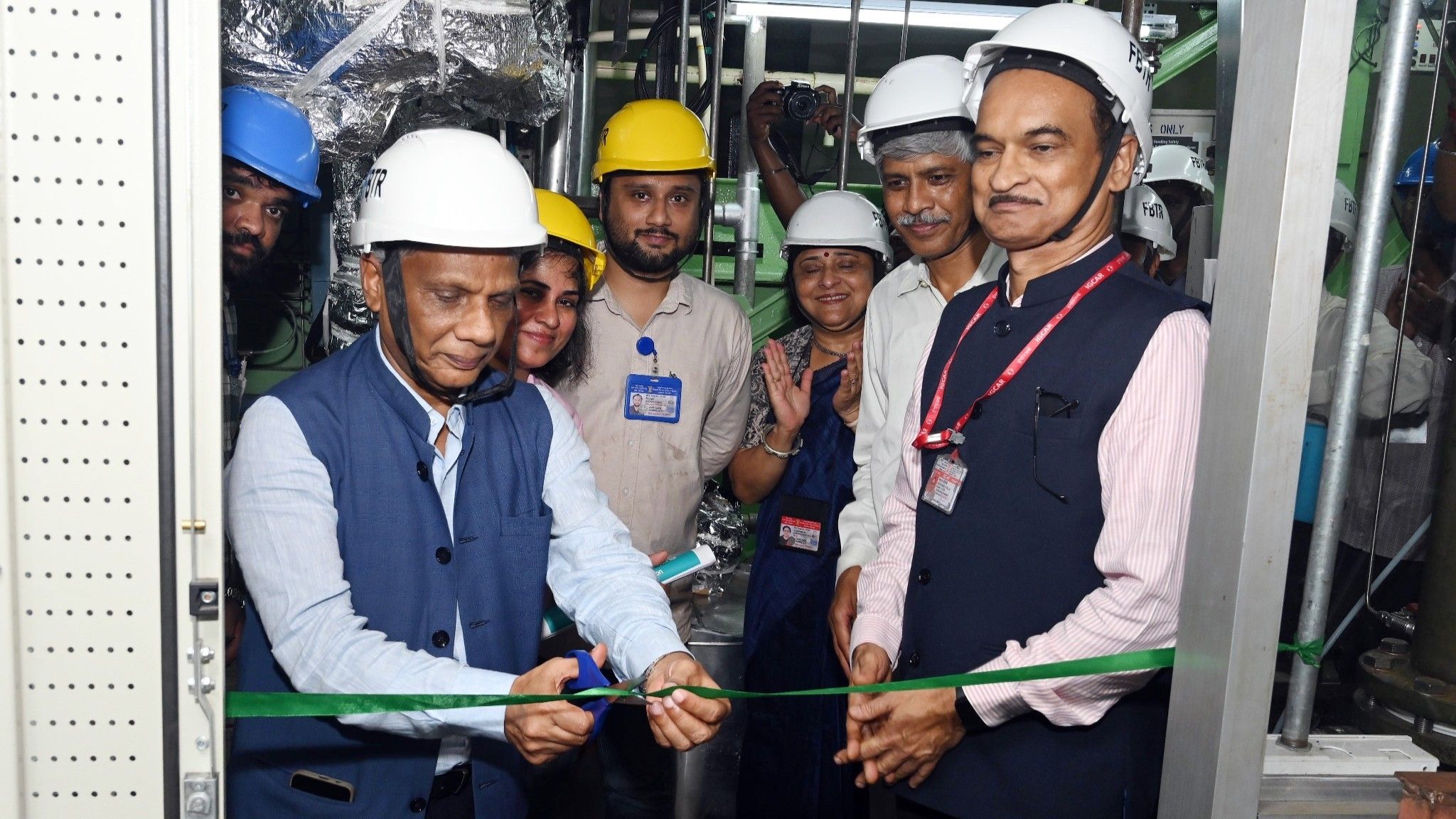
The facility was inaugurated by DAE Chairman Ajit Kumar Mohanty, in the presence of IGCAR Director Sreekumar Pillai (Image: DAE)
The facility uses process heat from the Fast Breeder Test Reactor to produce hydrogen through the copper-chlorine thermochemical process developed by Indian researchers.
The new facility at the Indira Gandhi Centre for Atomic Research (IGCAR) in Kalpakkam, Tamil Nadu, was inaugurated by Ajit Kumar Mohanty, Secretary and Chairman of India's Atomic Energy Commission. It integrates the hydrogen production technology developed by the Department of Atomic Energy's (DAE) Bhabha Atomic Research Centre with IGCAR's advanced fast reactor expertise.
"The successful integration of nuclear process heat with hydrogen generation marks a pioneering technological breakthrough and opens a promising pathway for large-scale, carbon-free hydrogen production using advanced nuclear reactors," the Department of Atomic Energy said.
Hydrogen is widely regarded as a key energy carrier for future energy systems and is expected to play a pivotal role in the global transition towards clean and sustainable energy systems - provided it can be made without carbon emissions. Industrial production of hydrogen is currently dominated by steam-reforming methane from fossil fuels, and electrolysis (splitting water with electricity): according to information from the International Energy Agency, less than 1% of the global production of 97 million tonnes in 2023 was low-emissions hydrogen, although in its 2024 review of hydrogen production, the agency said low-emission hydrogen could reach 49 million tonnes per year by 2030.
(Image: Department of Atomic Energy)
Thermochemical production of hydrogen involves separating water into hydrogen and oxygen through a series of chemical reactions at high temperatures. The copper-chlorine - or Cu–Cl - thermochemical cycle is considered one of the most promising ways of producing hydrogen due to its relatively lower operating temperatures and higher thermodynamic efficiency, according to DAE. "By harnessing nuclear heat from fast reactors, the process significantly reduces dependence on fossil fuels and eliminates greenhouse gas emissions associated with conventional hydrogen production methods," the Department said.
The Fast Breeder Test Reactor - also known as the FBTR - is a sodium-cooled test reactor which first started up at the Indira Gandhi Centre for Atomic Research in 1985, gradually increasing its power to 32 MW (thermal) in 2018 before finally reaching its nameplate capacity of 40 MWt in 2022. The reactor has an underpinning role in India's preparation for a thorium-based closed fuel cycle.
The commissioning of the facility represents the culmination of extensive research, process development, engineering design, equipment fabrication, installation, testing and commissioning efforts undertaken jointly by the Bhabha Atomic Research Centre and the Indira Gandhi Centre for Atomic Research , DAE said. It will provide operational experience, facilitate further optimisation of the Cu–Cl process, and support future research aimed at scaling up nuclear-assisted hydrogen production technologies for commercial deployment. Nuclear-coupled hydrogen production features in India's nuclear energy strategy: a 5 MWt high temperature gas cooled reactor that could be coupled with thermochemical hydrogen production is currently being developed, with a lead unit proposed for construction at Bhabha Atomic Research Centre's Vizag R&D campus in Andhra Pradesh.
IGCAR (Image: DAE)
"The integration of nuclear energy with emerging clean energy technologies such as hydrogen production represents a strategic pathway towards a sustainable energy future," Mohanty said at the inauguration of the new facility. "Nuclear power, with its unique ability to provide reliable carbon-free electricity as well as high-temperature process heat, is ideally suited to support large-scale hydrogen production while contributing to India's energy security, decarbonisation goals and long-term sustainable development objectives. I congratulate the scientists, engineers and technical teams of BARC and IGCAR whose sustained dedication, innovation and technical excellence have transformed an advanced scientific concept into an operational reality. This achievement is a testament to India's growing capabilities in advanced nuclear technologies and clean energy systems.""Nuclear power is not only a source of reliable, round-the-clock, carbon free electricity. It is also a powerful enabler of strategic technology that can support India's clean energy transition," Mohanty said in DAE's announcement of the achievement on YouTube. India inaugurates nuclear-powered hydrogen production facility
New Delhi, (IANS) Artificial intelligence (AI) upskilling is delivering significant career gains in India, with professionals reporting an average salary increase of nearly 150 per cent, while nearly half of AI-enabled career outcomes now lie outside traditional engineering roles, according to a report released on Thursday.
The report by Scaler highlighted how AI is evolving from a specialised technical skill into a workforce-wide capability across industries.
AI upskilling is driving salary growth across experience levels, with early-career professionals reporting average salary growth of 155 per cent, it added.
The findings suggest that AI is increasingly becoming a career accelerator for both young professionals and experienced workers.
Nearly 50 per cent of AI-enabled career outcomes now extend beyond conventional engineering roles into leadership, consulting, operations, human resources, marketing, finance, academia and other business functions.
The report further noted that nearly 25 per cent of learners now coming from non-technical backgrounds, signalling AI's expanding relevance beyond software and engineering careers. In addition, women are playing a growing role in India's AI ecosystem.
Commenting on this, Abhimanyu Saxena, Co-founder, Scaler said AI is creating new pathways to opportunity, accelerating career growth and helping professionals achieve stronger compensation outcomes.
He said the findings suggest that AI is emerging as a creator of opportunities rather than a threat to jobs for those willing to develop relevant skills.
Women reported an average salary jump of 145 per cent after transitioning into AI-enabled careers, while female quality assurance (QA) engineers recorded the highest gains at 574 per cent, according to the report.
City-wise, Bengaluru continues to lead India's AI talent landscape, accounting for 19 per cent of learners, followed by Pune, Hyderabad, Mumbai and Chennai.
At the same time, nearly one in five AI learners now coming from Tier-II cities such as Lucknow, Jaipur, Patna, Indore, Coimbatore and Nagpur.
Among career outcomes, software engineer emerged as the most common AI-enabled role, accounting for 34.77 per cent, followed by engineering leadership at 17.51 per cent.
The report showed that AI is opening up new opportunities in consulting, with consulting-related outcomes nearly doubling from 3.1 per cent of learners at entry level to 5.65 per cent of overall professional outcomes.Moreover, VPs, CXOs and engineering leaders reported the highest post-upskilling salaries, averaging Rs 33 lakh per annum. AI upskilling increases salaries by 150 pc on average in India: Report | MorungExpress | morungexpress.com
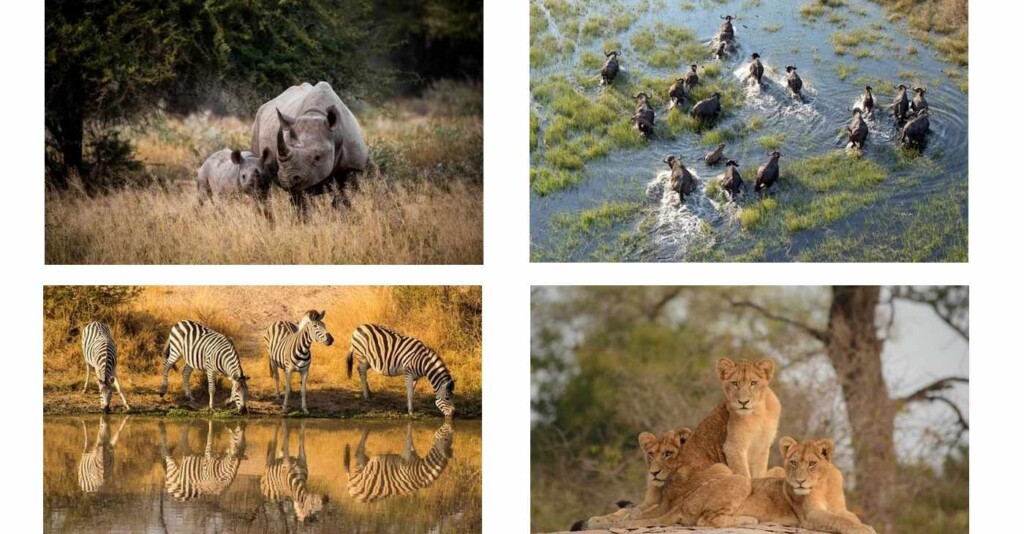
On Sunday, South African authorities and nature lovers alike celebrated the centenary of Kruger National Park—a 7,500-square-mile paradise of African wildlife, and a cornerstone of the nation’s conservation efforts.
Minister of Forestry, Fisheries, and the Environment Willie Aucamp rang in the celebrations at Skukuza Rest Camp inside the massive protected area, saying how “proud” he was to be associated “with those who’ve maintained and managed it so magnificently,” over the last 100 years.
One of the largest and oldest of all national parks in Africa, Kruger was named after the Republic’s first president Paul Kruger, who, inspired by a law organizing the area into private game camps before his term in office, eventually sought to create a large game reserve in the area that is now northern Kruger National Park to protect species of large animal that needed plenty of space to thrive.
Kruger was no longer in office by the time the park was created, but his interest and effort in creating its predecessor, the Sabi Game Reserve, were noted when selecting a name.
Today, Kruger National Park receives 2 million visitors every year, and has become a bastion of biodiversity that spills over into three nations. It is home to more species of large mammal than any other place in Africa, as well as hundreds of bird, reptile, and plant species.
It’s been the testing ground for cutting-edge methods of protecting endangered species and for pioneering wildlife research and animal biology, as well as a role model for balancing wilderness needs, conservation aims, and tourist accessibility, for the continent at large.
“As a united people, we are celebrating this success story, realizing we have the responsibility to take this forward to another 100 years so that our grandchildren and great grandchildren can see what it is like to see when a herd of elephant is walking and hear lions roar in the most pristine natural area in the world,” said Minister Aucamp.
The centenary was not just focused on celebrating the past, but securing the future, as two days before the anniversary, South African National Parks and Aucamp’s Ministry signed the Beneficiation Scheme Framework Agreement with seven communities that live and have lived historically in and around the area of the park.“This beneficiation agreement represents… shared commitment to transforming natural resources into lasting opportunities for you, the beneficiaries, and your future generations,” said Aucamp at the camp. Iconic Kruger National Park Celebrates 100th Year of Protecting African Wildlife, Including the Big 5
New Delhi, (IANS) Worldwide spending on artificial intelligence is projected to jump 47 per cent year-on-year to $2.59 trillion in 2026, driven largely by rising investments in AI infrastructure and AI-optimised servers as enterprises and cloud providers accelerate adoption of generative AI and agentic workflows, a report said on Tuesday.
The report from Gartner said AI‑optimized infrastructure including AI‑optimized IaaS, servers, network fabric, processing semiconductors and devices will account for over 45 per cent of spending as vendors expand capacity.
“Within this segment, spending on AI‑optimized servers will triple over the next five years to become the largest subsegment, as cloud services providers expand capacity in anticipation of the workloads created by GenAI models and agentic workflows,” said John‑David Lovelock, Distinguished VP Analyst at Gartner.
The firm raised its short‑term outlook for AI models to 110 per cent growth in 2026, adding $6 billion in spending for this year.
Enterprises will expand their use of both the GenAI models embedded in existing software applications and the new AI agents within multiple workflows.
Model consumption will increase through multistep processes and integration into broad suites of tools as enterprises recognize the potential value of agentic automation, the report noted.
The report forecasted spending on AI infrastructure rising from $9,75,581 million in 2025 to $14,31,509 million in 2026, while total AI spending will climb from $17,64,947 million to $25,95,667 million.
Lovelock said that AI spending has primarily been driven by technology companies and hyperscalers till now. Enterprises have yet to really flex their spending potential, which is set to happen in 2026, he added.
The report warned that CIOs face challenges in proving the value from AI investments and demonstrating tangible business outcomes.“Aligning AI initiatives with strategic business objectives is the essential step for success. This incremental approach persists despite AI hype and valuations that reflect aspirations to transform the broader economy,” Lovelock said. Global AI spending expected to surge 47 pc to $2.59 trillion in 2026 | MorungExpress | morungexpress.com
New Delhi : People watch Union Finance Minister Nirmala Sitharaman presenting the Interim Budget 2024 in Parliament, at a television showroom in New Delhi on Thursday, Feb. 1, 2024. (Photo: IANS/Wasim Sarvar)
New Delhi, (IANS) India’s media and entertainment (M&E) sector entered a decisive phase of scale, digital dominance and structural transformation in 2025, reaching Rs 2.78 trillion with a 9 per cent growth, outpacing nominal GDP expansion, according to a report.
As per a joint analysis by the FICCI and EY, the M&E sector is expected to grow 2.8 per cent to reach Rs 2.86 trillion ($32.9 billion) in 2026, and Rs 3.3 trillion ($37.9 billion) by 2028.
Digital media has emerged as the largest segment, accounting for over Rs 1 trillion in revenues. Digital advertising contributed 63 per cent of total ad spends, while subscriptions surged, driven by OTT platforms, premium sports and regional content.
In contrast, television continued its gradual decline, falling to Rs 617 billion in 2025 and expected to shrink further at a negative 5 per cent CAGR, even as total TV households are projected to cross 200 million by 2028.
A key structural shift is the rise of regional storytelling, with regional languages accounting for over half of OTT consumption and nearly two-thirds of film production.
The industry produced nearly 200,000 hours of content in 2025, led by television and supported by OTT and short-form formats, even as traditional media remains under pressure from shifting ad spends and declining subscriptions.
Advertising remained a major growth driver, expanding 13.5 per cent to Rs 1.5 trillion, led by digital formats, e-commerce and SME participation.
In live events, "The organised segment experienced a 44 per cent increase, fuelled by higher spending on ticketed events, personal functions such as weddings, government events and religious gatherings, including the Maha Kumbh Mela," the report noted.
However, the report flagged challenges, including declining pay-TV households, weak monetisation in news and regulatory disruptions in gaming, with the segment expected to contract at a CAGR of (-)22 per cent between 2025 and 2028.
Anant Goenka said the sector is at the forefront of India’s creative and digital transformation, driven by evolving audience behaviour and rapid technological change.
Calling 2025 a “pivotal inflection point”, Kevin Vaz said the industry has entered a new phase of “scale, innovation and transformation”. "These trends highlight an industry expanding in scale, innovating across platforms and embracing technology," he added.The sector is projected to cross Rs 3 trillion by 2027 and reach Rs 3.3 trillion by 2028, with digital media driving growth and new formats such as creator-led platforms, micro-dramas and immersive experiences shaping the next phase. India's media and entertainment industry to rise to Rs 3.3 trillion by 2028: Report | MorungExpress | morungexpress.com
Bengaluru: New Zealand's Kane Williamson during a practice session ahead of the ICC Men's Cricket World Cup 2023 match between New Zealand and Sri Lanka at M. Chinnaswamy Stadium, in Bengaluru, Wednesday, November 08, 2023. (Photo: IANS/Dhananjay Yadav)
New Delhi, (IANS) Kane Williamson said it "feels like the right time" to walk away from international cricket, explaining that he wanted to leave the game while still fully committed rather than continue simply to add more appearances to his record.
The former New Zealand captain announced his retirement from international cricket after the first Test against England at Lord's. This marked the end of a notable 16-year international career that included 110 Tests. Williamson shared that he made this decision while sitting on the Lord's balcony after New Zealand's defeat in the opening Test. "It just feels like the right time for me to step away," Williamson was quoted by ESPNcricinfo as saying.
The 35-year-old spent several days thinking about his choice and discussing it with his parents and partner before informing a small group that included captain Tom Latham, head coach Rob Walter, and team manager Mike Sandle. Most of his teammates were surprised by the news, learning of his decision on Friday morning when he called an informal meeting at the team's hotel.
The timing surprised many, considering New Zealand had just started a three-Test series against England and had a packed home season against India and Australia approaching. However, Williamson emphasised that he did not want to be part of the squad unless he could fully commit.
"When I look at the dressing room now and see the talent, and the journey that I think this team's looking to go on, it just feels like the right time for me to step away," he stated. "I feel really good about it. It's funny when you reflect on so much, but all good things come to an end. It's the change of seasons."
Williamson admitted retirement was not on his mind before the Lord's Test, but the experience led him to reflect deeply. "I didn't have it in mind," he said. "At that point, you want to value every experience and really commit, because that’s what you have done, and what you expect from everyone else in the group. They definitely do that in a big way. So, yes, a bit of reflection."
"Obviously, that was an interesting match itself, but I was sitting up there on the balcony and thinking a bit about it. Then I took some time in the days after to get comfortable with the idea."
"I really like being grateful for the time I've had with this New Zealand cricket team, and I also feel excited about the potential I see in the group."
Having turned down a New Zealand central contract two years ago to better balance his workload and spend more time with his family, Williamson said he felt at peace stepping away while still able to perform at a high level. "It feels good not to exhaust it, because it's not just about me," he said. "There are many factors and a deep care for the team."
Williamson also felt satisfied that he finished his international career at the home of cricket instead of planning a farewell match in New Zealand. "Playing that last game at Lord's is kind of cool," he said. "I have too much respect for this team and where it's wanting to go."
He will stay with the squad for the rest of the England tour but plans to step back and let a new generation of leaders emerge.
"I'll be giving the team a bit of space," Williamson said. "I remember the day when other leaders in our team left. There are steps to take, and I think my stepping away allows that."
Head coach Rob Walter acknowledged the significant loss for New Zealand. "You don't lose Kane Williamson off the team sheet and get stronger, because he's a legend," Walter said.
When addressing the timing of the announcement, Walter added, "Everyone is asking, 'Why in the middle of the series?' but you hear his reasons, and you understand fully."
"That's the person he is, and the regard that he has for the team. It's not just about continuing because it's the end of a series. He wants to give the opportunity to someone else to take his place and fill a long-term role for the team."
Looking back on his career, Williamson pointed out New Zealand's victory over India in the 2021 World Test Championship final as one of his proudest moments.
"It was a real evolution of the side to reach that point, to deliver strong performances consistently, and to see some success after the ups and downs we experienced," he said. "It was great, but for those reasons rather than just the win."
The veteran also reflected on his journey from his Test debut to becoming one of the most respected figures in the sport.
"Remembering your first Test is special. It was the best thing ever. Even if you never play again, you have your baggy cap. It's incredible," he said. "Then, 16 years later, you're here making this decision. It's been an incredible journey."
When asked how he would like to be remembered, Williamson's response reflected the values that defined his career.
"Oh gosh, I didn't prepare for this one," he said with a smile. "Just as someone who cared deeply about the team, always wanted to do more, and was committed to my craft. I'm really grateful for it all."
While his international cricket career is now over, Williamson has not ruled out staying involved in the game. After working as a strategic advisor with the Lucknow Super Giants in the IPL, coaching could be one avenue for him.
"I had a bit of time in coaching and enjoyed that," he said. "We'll see. The next step is to talk with all of you, take a few days with my family, and figure out what's next."Williamson added that he remains undecided about continuing to play franchise cricket. “I'm just going to cross that bridge when I come to it. No specific plans in the playing department, but we'll see.” ‘It just feels like right time for me to step away’: Williamson on retirement decision | MorungExpress | morungexpress.com
Mexico City: Singer Shakira performs during the opening ceremony of the 2026 FIFA World Cup at Mexico City Stadium in Mexico City, Mexico, June 11, 2026. (Photo: Xinhua via IANS)
New Delhi, (IANS) From Thursday night, alarm clocks will be ignored, office productivity will dip, and millions of fans will survive on coffee, hope, and football.
The 2026 FIFA World Cup is finally here, and from the millennials, who grew up waking at odd hours to watch Ronaldo, Zidane, and Ronaldinho, to Gen Z supporters documenting every kick, save, and celebration on social media, football’s biggest spectacle has once again united generations in a familiar ritual — sacrificing sleep for the beautiful game.
Mexico City: Artists perform during the opening ceremony of the 2026 FIFA World Cup at Mexico City Stadium in Mexico City on Thursday, June 11, 2026. (Xinhua via IANS)
As the tournament got underway at Mexico City’s iconic Estadio Azteca, social media burst into life. Timelines transformed into virtual stadiums as memes, predictions, celebrations, and heated debates flooded screens within minutes of the opening ceremony.
“Four years of waiting and now my sleep schedule is officially destroyed,” one fan posted on X.
Another wrote: “World Cup season is the only time being awake late feels completely normal.”
A third summed up the mood perfectly: “The World Cup isn’t a tournament. It’s a month-long emotion.”
Mexico City: An artist performs during the opening ceremony of the 2026 FIFA World Cup at Mexico City Stadium in Mexico City, Mexico, June 11, 2026. (Photo: Xinhua via IANS)
The opening ceremony delivered the spectacle fans had been eagerly awaiting. FIFA President Gianni Infantino officially declared the tournament open and presented the World Cup trophy before a packed Azteca crowd, triggering a deafening roar inside one of football’s most revered arenas.
Then came the entertainment.
Mexico City: Actress Salama Hayek is seen before the group A match between Mexico and South Africa at the 2026 FIFA World Cup at Mexico City Stadium in Mexico City, Mexico, June 11, 2026. (Photo: Xinhua via IANS)
Global pop icon Shakira and Nigerian Afrobeats superstar Burna Boy lit up the stadium with a vibrant performance of the official tournament anthem, Dai Dai. The dazzling mix of music, lights, and colour transformed the historic venue into a celebration of football’s worldwide appeal.
Yet amid the star power and spectacle, Estadio Azteca itself remained the evening’s most powerful symbol.
Mexico City: Singers Andrea Bocelli (L) and Ejae perform before the group A match between Mexico and South Africa at the 2026 FIFA World Cup at Mexico City Stadium in Mexico City, Mexico, June 11, 2026. (Photo: Xinhua via IANS)
Few stadiums carry World Cup history quite like it. Pelé lifted the trophy there in 1970. Diego Maradona followed in 1986. Now, the legendary arena has become the first stadium in football history to host matches across three separate FIFA World Cups.
For older fans, it is a journey back to cherished memories. For younger supporters, it is the beginning of a new one.
Toronto: People attend the FIFA World Cup 2026 Countdown Concert in Toronto, Canada, on Wednesday, June 10, 2026. Ahead of the FIFA World Cup 2026, the live music celebration was held simultaneously in Toronto, Los Angeles and Mexico City across Canada, the United States and Mexico. (Photo: Xinhua via IANS)
Unemployment in Australia is currently at 4.3% – below average for the past century. But last week, the Reserve Bank forecast unemployment will slowly climb from next year on, rising to 4.7% by mid-2028 – and possibly higher if the Middle East war drags on.
That forecast came after a long-running survey of 3,600 Australians – taken in the early weeks of the US-Israel war on Iran – found people thought their chances of losing their job had risen to 26.8%. Job insecurity fears haven’t been this high since 2020’s COVID-19 lockdowns, when unemployment hit 6.4%.
If worrying about keeping your job has been keeping you up at night, you’re far from alone.
But there are evidence-based things we can do – at an individual, organisational and government level – to manage job insecurity better in uncertain times.
How job stress hits our health and even our personality
Job insecurity can take a heavy toll on your mental and physical health.
There’s strong evidence from meta analyses – research where all the studies in that area are pulled together – that people are significantly more dissatisfied with work when experiencing job insecurity. The same study found job insecurity can also affect workers’ commitment to their organisation and undermine their job performance.
There’s also some evidence job insecurity can increase workplace bullying. When people feel really insecure, they’re more likely to lash out at others. The same study showed workers who’ve been bullied tend to feel more insecure in their work.
Our 2020 study, tracking 1,046 Australians over nearly a decade, suggested a prolonged period of job insecurity could even change people’s personalities: making them less emotionally stable, less agreeable and less conscientious.
5 ways to turn fear into action
It’s easy to fall into the trap of unhealthy coping strategies when you’re stressed about work. These can include drinking too much alcohol or “ruminating”: allowing worries to go around and around in your brain.
While these can feel hard to resist, they usually leave you feeling worse.
There are healthier coping strategies, backed by research evidence.
Actively planning your career: This sounds obvious, but it can make a big difference. In a study my colleagues and I did of more than 200 Europeans on short-term contracts, we found that insecurity increased the closer people got to the end of their contracts – unless people took proactive steps. Workers who took the initiative to engage in career planning and talk to supervisors and others about how to boost their skills did not experience job insecurity, even as their short-term contracts got close to ending.
Seeking social support: reaching out to other people – family, friends, colleagues or your boss – is a well-established way to help with work stressors, such as job insecurity. For instance, a meta analysis of three decades of data from 39 countries found social support can reduce feelings of job insecurity.
Building a network with informal mentors: You don’t need a formal mentor program to do this. In fact, past evidence has shown informal mentoring (usually someone you’ve approached yourself) can be more powerful than formal mentoring. And seek out more than one mentor: one person might help on digital skills, another might have advice on career planning.
Working on in-demand skills: If you know you have gaps in your skills, such as if you’re worker with no experience with artificial intelligence (AI), start taking small steps to fill those gaps. There are a wide range of free online courses you can do from places such as EdX and Coursera, through to relatively affordable “micro credential” courses from universities around the world.
Building a life beyond work: Research shows job insecurity is more harmful to people for whom work is highly central to their identity. A 2025 Australian study confirmed what decades of research has shown: engaging in other social roles beyond work – like being a parent, friend, or volunteer – can boost your self-esteem and wellbeing.
Employers and government should do more too
It’s unfair to expect individuals to handle job insecurity on their own. Employers and governments have important roles to play too. Here are just two examples.
Better workplace training: Australians are worried about losing work to AI. Federal government research last year found more Australians are secretly using artificial intelligence, often in the absence of clear workplace rules. If organisations want to retain good staff, it’s in their interests to invest in employee training, including in AI – and have clearer policies on its use.
Government investment in training and welfare: A 2022 study comparing 17 European nations found workers experienced less job insecurity in nations such as Denmark and Sweden, because they invest more in helping people get work, such as plentiful opportunities for re-skilling, training, and career counselling. Generous employment benefits also improve people’s wellbeing through fostering financial security.
In Australia, JobSeeker payments to 900,000 unemployed, working-age people still fall well below the poverty line, despite repeated recommendations to lift them higher.
There are few jobs for life anymore. But amid so much change, there’s more we can do more to help ourselves, our colleagues, employees and those who are already unemployed feel less job insecurity than Australians currently do.
Birth rates have been declining worldwide since the peak of the post-second world war baby boom. Birth rates have now reached below replacement in most of the world, including Australia. Put simply, populations on average aren’t replacing themselves.
Everyone from Elon Musk to Italian Prime Minister Giorgia Meloni, to the pope have opinions on declining total fertility (or birth) rates – the average number of births per woman.
Overpopulation has dominated popular discourse since the 1960s. While fears of overpopulation remain, especially tied to immigration, concerns have shifted to depopulation and the related economic and national security issues.
Overpopulation fears to depopulation woes
In his 1968 book The Population Bomb, Paul Ehrlich warned the 1970s would bring “people, people, people, people” and an overpopulation “cancer” resulting in famine and war. Human extinction was imminent, we were warned.
Overpopulation-associated human extinction has not come to be.
The global total fertility rate has more than halved since 1950. Average birth rates for OECD countries now sit at 1.46 births per woman, well below the 2.1 required for generational replacement.
World population decline is projected by the mid-2080s. China is now in its fourth year of population decline. South Korea has been declining since 2019 with its near-global record low birth rates. Germany has seen deaths outnumber births since 1972. Japan, Greece, Italy, Cuba and Thailand are also among those in the depopulation club.
Enormous advancements since the 1950s, mostly in health and medical technologies like immunisation, mean humans are living longer. We’re also having fewer children, and as a result populations are ageing.
An ageing population is a mark of success and human ingenuity, but economic systems tend to view ageing societies as problematic.
Workers and working-aged people are essential to maintain a healthy economy. Individual income taxpayers are the top source of federal government revenue in Australia. Too few people of working age replacing those retiring can seriously undermine economic wellbeing, forcing governments to do more service provision with less financial resources.
Below-replacement fertility and its implications for government bottom lines have resulted in Australian politicians calling on Australians to have more babies. “Have one for mum, one for dad, and one for the country”, treasurer Peter Costello famously said in 2004.
In 2020, former prime minister Tony Abbott suggested the wrong kind of women were having children, calling on “middle class” women to have more. Talking the budget, treasurer Jim Chalmers in 2024 said it would be “better if birth rates were higher”.
Human catastrophe of low birth rates
People are increasingly saying the choice to have children is constrained by external factors. Worldwide, around one-in-five surveyed by the United Nations said fears about the future would or has resulted in them having fewer children than they wanted.
Housing affordability, economic stability, gender inequality and climate change present insurmountable barriers for having a much-wanted family.
The lack of choice to have children in below-replacement regions, I’d argue is indeed a human catastrophe. How is it that we’ve allowed society to become so hostile that children are out of the question for so many who want them?
We are confronted with the tough question of who will care for us with the children gone.
Can a human catastrophe be avoided?
The burden of having a family falls on working-aged people, especially women.
A baby bonus or one-off payment is unlikely to change people’s minds and increase the total fertility rate; such payments merely change timing. Instead, increasing total fertility rates requires a comprehensive suite of measures from a policy perspective.
Tackling the big four big domains of housing, the economy, gender and climate encompass issues such as
secure, affordable and appropriate housing
employment and income security
accessible childcare
social and workplace gender equality
climate change action.
People of childbearing age aren’t being hedonistic when making family and fertility decisions. They’re not thinking about themselves, they’re actually thinking about the future world and weighing what that might look like for prospective children.
Loss of hope among people of childbearing age, including fears of being left behind, contribute to overall concerns about an insecure future.
Not only is the human catastrophe of low births rates reflecting more widespread concerns, such as insecurity, it could also be undermining social cohesion.
Rather than an exploding bomb of overpopulation, the world faces an economic and social implosion due to lacking substantive supports necessary to help raise much-wanted children.
Surely it’s beyond time we ask people what they actually need – and give it to them.






_8abe4371.jpg)
_d9caa5bc.jpg)





 Mexico City: Actress Salama Hayek is seen before the group A match between Mexico and South Africa at the 2026 FIFA World Cup at Mexico City Stadium in Mexico City, Mexico, June 11, 2026. (Photo: Xinhua via IANS)
 Mexico City: Singers Andrea Bocelli (L) and Ejae perform before the group A match between Mexico and South Africa at the 2026 FIFA World Cup at Mexico City Stadium in Mexico City, Mexico, June 11, 2026. (Photo: Xinhua via IANS)
 Toronto: People attend the FIFA World Cup 2026 Countdown Concert in Toronto, Canada, on Wednesday, June 10, 2026. Ahead of the FIFA World Cup 2026, the live music celebration was held simultaneously in Toronto, Los Angeles and Mexico City across Canada, the United States and Mexico. (Photo: Xinhua via IANS)

