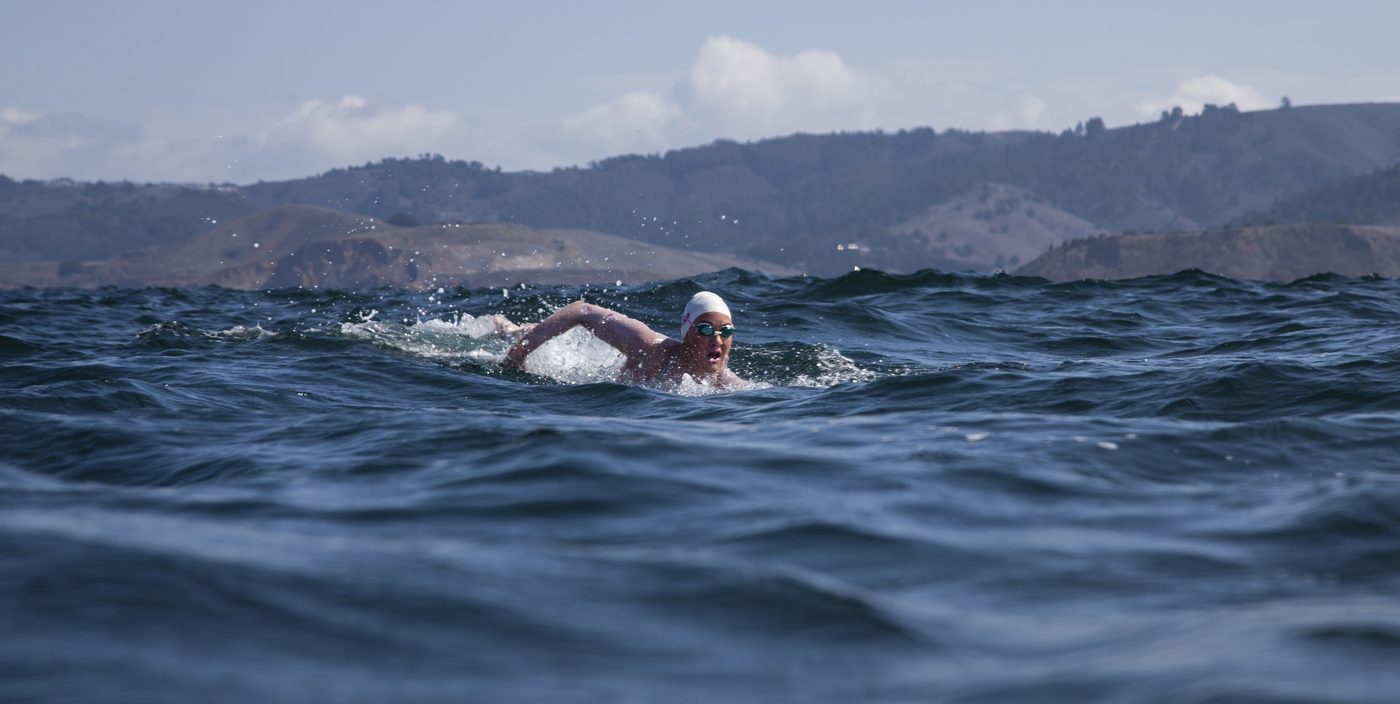
Catherine Breed swims in the open ocean south of the Golden Gate Bridge – credit, Catherine Breed press photo
Long-distance swimmer Catherine Breed has become the first person to swim the length of the entire Californian coastline after cross 900 miles in 111 days.
Her journey took her through extreme weather events, 8 separate shark encounters, and currents that at times were totally against her.
She claims that in addition to being the first person to complete this incredible feat, she’s the first swimmer who’s ever even attempted it.
Breed has a catalogue of remarkable endurance swims under her wetsuit, including the English Channel and North Channel crossings. In 2022, at age 29, Breed became the first person to swim from San Francisco’s Golden Gate Bridge to Half Moon Bay, a 25-mile swim.
Last year, she finished a swim from Golden Gate Bridge to the Farallon Islands, a notorious breeding and hunting ground for sharks.
Yet these are mere kiddy pool distances compared to the effort she recently finished putting in, one which started all the way back on July 1st when she waded out into the waters at the Oregon-California border.
It had taken 3 years of preparation and planning, with the idea being to swim 10 miles a day for 90 days. Yet all that planning couldn’t have anticipated the Super El Niño weather event that California has been witnessing this year.
It manifested in multiple tropical storms, punishing waves 7-feet high that made Breed feel she was swimming through “a washing machine,” and a huge surge of warm coastal water moving northward as Breed was moving south.
This current created days when progress was minimal. The proud Californian ocean lover spoke to radio station KQED about such experiences.
“You cannot bring hubris or expectations into the ocean—whether you’re surfing, spearfishing, sailing or swimming. You can’t,” she said. “When I get in the ocean, it’s a full surrender. You’re completely present. Your only job is to put one arm in front of the other and be at peace with whatever the ocean gives you that day.”
Yet it wasn’t all perils. She swam with sea lions, dolphins, and whales, experienced incredible sunrises and sunsets, and paused every so often to jump on land for a quick lecture on the importance of marine conservation.
On October 19th, she completed the more-than-a-marathon swim, landing on a pier with her support vessel, having passed the California-Mexico border more than 3 miles out to sea to avoid the pollution of the Tijuana River.
“It is a little bit of an out-of-body experience,” she told the Guardian in an interview after she had completed the swim. “Like, I know I’m the one who did it, but there are parts of me where I feel like I’m along with the audience, watching this thing happen. I think I’m still trying to grasp what I’ve done.”She has repeatedly been quoted as saying that her resolve to accomplish this never-before-accomplished feat of endurance swimming came from a desire to inspire. She hopes others, particularly women and girls, will be inspired to pursue the unlikely and even the impossible off the back of her remarkable swim. Woman Becomes First Person to Swim the Entire California Coastline
Parkinson’s disease is the fastest growing neurological disorder, with over 10 million cases worldwide. Up to 150,000 Australians currently live with the disease and 50 new cases are diagnosed each day.
The number of people living with Parkison’s is projected to more than triple between 2020 and 2050.
Yet despite the immense impact on those living with Parkinson’s and their loved ones, and the staggering cost to our economy – at least A$10 billion a year – there is still a lot we don’t know about how this disease presents and progresses.
A recent large-scale study of nearly 11,000 Australians living with Parkinson’s disease provides some critical insights into symptoms, risk factors and how these affect men and women differently. Let’s take a look.
First, what is Parkinson’s disease?
Parkinson’s is a progressive disease in which cells that produce the chemical messenger dopamine in a part of the brain called the “substantia nigra” begin to die. This is accompanied by multiple other brain changes.
It is usually considered a movement disorder. Common motor symptoms include a resting tremor, slowed movement (bradykinesia), muscle stiffness and balance issues.
But Parkinson’s also involves a variety of lesser known non-motor symptoms. These may include:
mood changes
difficulties with memory and cognition (including slower thinking, challenges with planning or multitasking and difficulty paying attention or concentrating)
sleep disturbances
autonomic dysfunction (such as constipation, low blood pressure and urinary problems).
While these are sometimes referred to as the “invisible” symptoms of Parkinson’s, they often have a greater negative impact on quality of life than motor symptoms.
So, what does the new research tell us?
The study used data collected as part of the Australian Parkinson’s Genetics Study led by the QIMR Berghofer Medical Research Institute. After a pilot study in 2020, it was launched as an ongoing, nationwide research project in 2022.
Some 10,929 Australians with Parkinson’s were surveyed and provided saliva samples for genetic analysis. This is the largest Parkinson’s cohort studied in Australia and the largest active cohort worldwide.
There were several key initial findings.
1. Non-motor symptoms are common
The study reinforced how common non-motor symptoms are, with loss of smell (52%), changes in memory (65%), pain (66%) and dizziness (66%) all commonly reported.
Notably, 96% of participants experienced sleep disturbances, such as insomnia and daytime sleepiness.
2. A better picture of risk factors
The study also provided insights into what can influence Parkinson’s risk.
This is important because we don’t completely understand what causes the dopamine producing cells in the substantia nigra to die in the first place.
Age is the primary risk factor for Parkinson’s. The new study found the average age for symptom onset was 64, and for diagnosis, 68.
3. Genes and environment both play a role
In the recent study, one in four people (25%) had a family history of Parkinson’s. But only 10–15% of Parkinson’s cases are caused by – or strongly linked to – mutations in specific genes.
It’s important to remember that families don’t only share genes but often their environment.
Multiple environmental factors, such as pesticide exposure and traumatic brain injury, also increase risk of Parkinson’s.
The majority (85–90%) of cases of Parkinson’s are likely due to complex interaction between genetic and environmental risk factors, and advancing age.
The study showed environmental exposures linked to Parkinson’s risk were common:
36% of people reported pesticide exposure
16% had a prior history of traumatic brain injury
33% had worked in high-risk occupations (such as agriculture, or petrochemicals or metal processing).
These exposures were significantly higher in men than in women.
4. Differences between the sexes
The disease is 1.5 times more common in men. In the new study, 63% of those surveyed were male.
Parkinson’s also presents and progresses differently in males and females.
The study found women were younger than men at time of symptom onset (63.7 versus 64.4 years) and diagnosis (67.6 versus 68.1 years), and more likely than men to experience pain (70% versus 63%) and falls (45% versus 41%).
Men experienced more memory changes than women (67% versus 61%) and impulsive behaviours, particularly sexual behaviour (56% versus 19%) – although most participants exhibited no or only mild impulsivity.
What we still don’t know
The large-scale study and its comprehensive survey shed valuable light on people living with Parkinson’s in Australia.
But it’s still only a sliver of the population. More than 186,000 people with Parkinson’s were invited to participate and just under 11,000 took part – a less than 6% response rate.
Of these participants, 93% had European ancestry. So this sample may not be fully representative of Parkinson’s disease.
The information we have about symptoms also relied on self-reports by the study’s participants, which are subjective and can be biased or less reliable than objective measurements of function. To address this, the researchers are planning to use smartphones and wearable devices to collect more comprehensive data.
Finally, while this provides a snapshot of the current cohort, it’s not clear how participants compare to people of a similar age without Parkinson’s, or how their symptoms may change over time.
These are important areas of future research for this ongoing study.
What all this means
Studies like this provide crucial insights into risk factors linked to Parkinson’s. They also help us better understand the symptoms people experience.
This is important because the way Parkinson’s presents varies from person to person. Not everyone will experience the same symptoms to the same extent.
Similarly, the way the disease progresses over time differs between people.
A better understanding of the factors that influence this can lead to earlier identification of who’s at risk and more personalised ways of managing this disease.
Rouble Nagi – submitted to GEMS Education 2026 Global Teacher Prize
An Indian teacher who has established more than 800 learning centers across India for children who have never attended school has been named the winner of the $1 million Global Teacher Prize from GEMS Education.
Located in over 100 slums and villages, Rouble Nagi’s classrooms offer safe, inspiring spaces to help overcome the challenging conditions shaped by poverty—child labour, early marriage, irregular attendance, and a lack of infrastructure.
Rather than seeing these realities as barriers, Ms. Nagi designs education around real life: flexible schedules for working children, hands-on learning using recycled materials, and practical skills that demonstrate immediate value to families.
As a result, her programs have reduced dropout rates by more than 50% and significantly improved long-term school retention.
Rouble plans to use the $1 million prize money to build a free vocational institute and digital literacy training program to help transform the lives of millions more marginalized young people.
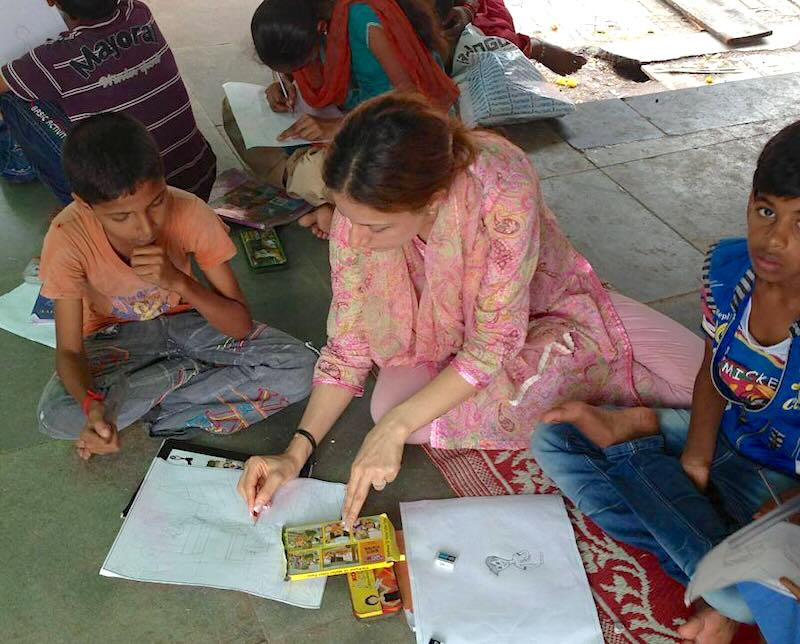
It all started after she was asked to do an art workshop as an artist in her early 20s. “I met a child who’d never seen a pencil, and it was the turning point of my life.” (Watch the video below…)
Rouble Nagi drawing with children – Credit: Apeksha Roy (CC BY-SA 4.0)
Over the last two decades, she has helped bring more than one million children into the formal education system—and one of her not-so-secret weapons is art.
She has transformed abandoned walls into large interactive murals that teach everything from reading, math, and science, to hygiene, history, environmental awareness, and social responsibility.
The murals, funded through her nonprofit Rouble Nagi Art Foundation, are not decorative artworks, but open-air classrooms that draw children into learning, engage parents, and turn entire neighborhoods into partners in education.
“Rouble Nagi represents the very best of what teaching can be – courage, creativity, compassion, and an unwavering belief in every child’s potential,” said Sunny Varkey, who founded the annual Global Teacher Prize and GEMS Education.
Slums of Jaffer Baba Colony were painted bright colors by Rouble Nagi’s Misaal Mumbai project – by Pburka (CC BY-SA 4.0)
“By bringing education to the most marginalized communities, she has not only changed individual lives, but strengthened families and communities.”
Now in its tenth year, the Global Teacher Prize—which collaborates with UNESCO—is the largest award of its kind, with Nagi selected from over 5,000 nominations and applications from 139 countries.
“This moment reminds us of a simple truth: teachers matter. UNESCO is honored to celebrate teachers like you, who, through patience, determination, and belief in every learner, help children into school—an act that can change the course of a life,” said Stefania Giannini, UNESCO Assistant Director-General for Education.
Rouble, who is also the author of the book, The Slum Queen, travels extensively across India, working directly with children in the learning centers and mentoring the teachers who lead them.
She has recruited and trained more than 600 volunteer and paid educators, creating a scalable model that meets children where they are—academically, socially, and economically.
Alongside her work in education, Rouble is an internationally recognized artist. Through the Rouble Nagi Design Studio, she has created more than 850 murals and sculptures and exhibited in 200 shows worldwide, with her work selected for the President of India’s permanent collection.“Her work reminds us that teachers are the most powerful force for progress in our world.” Teacher Wins $1M Prize for Turning India's Slums Into Hundreds of Open-Air Classrooms
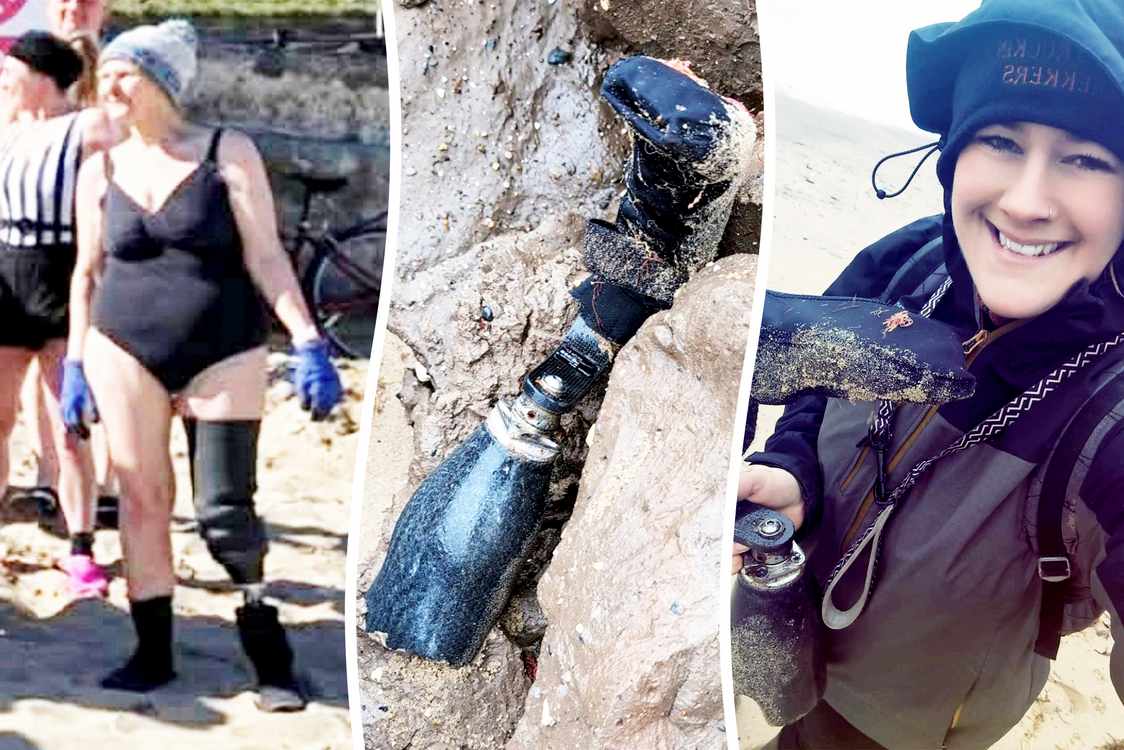
A woman whose new prosthetic leg was swept out to sea is “over the moon” after she found it 10 months later, it having been swept right back to the beach where she lost it.
Last April, 69-year-old Brenda Ogden lost her custom-made titanium blade-style prosthesis moments before a swim in the North Sea.
She was posing for a picture with a swimming group she was a part of when a huge wave knocked them all down and took her titanium blade back out to sea with it.
Ogden had her leg amputated below the knee five years earlier following a horrific car crash. The now-retired nurse revealed she waited for over a year to get the false leg, and had only had the blade for a week before the disaster on the beach.
“The leg was specially made to allow me to access water easily,” Ogden told England’s Southwest News Service. “I had never swum in the sea before that day and it was on my bucket list to do so.”
The prosthesis had cost her over $2,000, and her swimming group rallied around their member to look for it. Yet a search on the sand that lasted the whole day yielded nothing, and Ogden returned home distraught.
She had been an avid runner, and began to warm to the idea of swimming as a way of restarting physical activity following the crash. “I depended on the leg to be able to do water sports,” she said, adding that she “packed in” the idea after the loss.
Brenda Ogden’s lost prosthetic leg – credit, supplied to SWNS
10 months later, 38-year-old Elizabeth Forbes was walking along a beach in Hornsea, East Yorkshire, looking for fossils. Something caught her eye; not a fossil, but maybe a gas cylinder, she thought.
“I saw an unusual looking strange shape from the corner of my eye when I was walking,” Forbes said. “I was curious about what it was so I walked over and there it was trapped on top of some fallen rocks.”
She then posted a picture of her strange find on a Facebook group called Holderness Coast Fossils, where it was identified as Brenda’s. Forbes originally left the leg where she found it, but returned around noon the next day hoping to deliver it back to Brenda at some point in the near future.
“I have a feeling Brenda thought she might never see the leg again, so I was chuffed to have found it for her and to deliver it back,” she said.
Ogden described herself as being “over the moon” after hearing it was found.
“I have spent the last couple of months mourning the loss as I had literally lost a part of me,” she described. “I had come to terms that I might never see it again, but the fact that it has been found is just brilliant. Thank god for Lizzie.”“I’m glad I will be able to give swimming another go now.” Woman Whose Prosthetic Leg Swept Out to Sea Is Thrilled its Been Found 10 Months Later
SAHANA SITARAMAN: In the last 15 years, Romita Ghosh, a scientist by training and an entrepreneur by passion, has co-founded and successfully sustained four companies. She built them from scratch, developing ideas into products and services that touch peoples lives daily. Sadly, she is an exception in the world of business.
According to the Economic Survey, 2019-2020, India ranks third on the global entrepreneurial scale. However, when you tease apart this growth, you notice that women are only contributing a minute percentage towards this ranking. They make up only about 13% of entrepreneurs, of which those with a STEM (science, technology, engineering and maths) focus are even less. This is obviously not because of a lack of aptitude or interest. The problem lies with systemically strengthened stereotypes enmeshed within the fabric of society.
Experiments conducted by researchers at the University of Illinois have showed that six-year-old girls start avoiding games for 'really, really smart' children and exhibit gendered beliefs about intelligence, which tend to have a cascading effect on other choices, such as study of subjects like science and maths that are for 'smart people'.
That is exactly the kind of stereotype that BioPrime AgriSolutions founder Dr Renuka Karandikar tries to avoid while bringing up her child.
"I want people to make gender neutral choices very early on in their child's life. Please give your girls mechanical toys and dinosaurs to play with. Do not give them glitters, clips, dolls and kitchen sets. And if you do, then make sure you give it to your boys as well," says
Of all the scientists, engineers and technologists employed in research institutions in the country, women make up only 14%. With such a low representation, it is no wonder that young girls (or even adults) find themselves dissociated from the sciences. Even those who push past these hurdles to enter the field do not get a welcoming embrace. Despite similar or even better credentials, women are constantly paid lower salaries, given smaller lab spaces, awarded fewer grants and cited fewer times than their male counterparts. Their voices are muted and their contributions ignored. And this is not limited to academia.
Entrepreneurial circles cater to the needs and lifestyles of men as they dominate that space. Women mostly have responsibilities of family and childcare and hence are excluded from these spaces. The system does not make it easy for them to juggle home and work. Dr Srishti Batra (founder, QZense Labs), Dr Aridni Shah (founder, ImmunitoAI) and Dr Shambhavi Naik (founder, CloudKrate Solutions) stress the importance of family support that enabled them to balance work and home life.
Srishti became a mother this year and resumed work 10 days after her delivery. This would not have been possible without the support of her husband, parents and in-laws, each of whom pitched in to take care of the newest member of the family. She believes "the biggest barrier for a woman entering the entrepreneurial field is lack of family support."
Shambhavi has also been extremely lucky in this department. Holding her six-month-old baby in her lap during the interview, Shambhavi told me the story of how a stern, but encouraging talking-to from her dad about being financially independent, even when her husband was earning well, was the "swift kick in the butt she needed to get her company off the ground".
Aridni recounts how encouragement from her husband was key to her starting a business.
"To be very honest, I would have probably not taken that risk if it was just me. His continuous support and encouragement made me fearless. It made me think 'yes, I can try this, there's no harm in trying'," she says with pride.
Women's professional growth is usually affected by lack of childcare facilities, exclusion from networking events outside of working hours, gender bias and workplace harassment and a general dismissive attitude towards them. The victims might be only women, but the repercussions of their exclusion are felt by everyone.
Responses to the ovid-19 pandemic by heads of different countries showed that women-led countries had significantly better outcomes and half as many deaths on average, as compared to those led by men. This was attributed to the fact that women leaders showed more willingness to listen to diverse voices and incorporated suggestions from experts when formulating their strategies. With a gender balanced staff and a majority of women led departments, qZense sets a great example for a diverse and inclusive enterprise. These ratios happened organically, clearly demonstrating that hiring and promoting women is not something to be mandated but celebrated.
A great example is the invention of sanitary belt by Mary Beatrice Davidson Kenner in 1957, long before disposable pads entered the scene. The belt was used to keep the cloth pad in place and prevented blood from leaking and staining garments. I cannot think of a man coming up with such a product, simply because they don't have the need for it.
Despite the wealth of benefits that come with female leadership, somehow, their presence is still not accepted in the business world. An experiment done by researchers at Harvard University and the Massachusetts Institute of Technology showed that most investors preferred to invest in a pitch presented by a male voice. Carol A Nacy, founder of Sequella, Inc., a pharmaceutical company, recounts in this Atlantic article, how on many occasions, ideas explained by her have not inspired confidence in male venture capitalists, but the same words repeated by her male colleague resulted in happy and satisfied faces.
Renuka speaks from experience when she says that "if it takes X effort for a man to earn trust, a woman might have to do 1.5 times of that."
Romita, who founded iHeal HealthTech Pvt Ltd, faced hurdles at multiple stages, including from her parents who were 'ashamed of her leaving a job to start a business', to seeing biased behaviour from investors. In an email interaction, she said, "I have seen investors question women entrepreneurs about the future of their businesses if they decide to marry or become a mother."
She has also seen employees questioning her abilities but has managed to turn them around through her work. Shambhavi says "she never experienced blatant gender bias. But there are benefits to having a male co-founder to deal with situations populated by men."
About her experience of getting funding, Srishti says, "I think acquiring funding, in general, is very hard. But it is difficult to find out if gender bias played any role. More often than not, an investor is just looking for a good business."
Srishti believes that women-led companies could benefit from more female venture capitalists, so that they have someone who understands their point of view.
"Every time I am talking to investors, it is mostly men. There are certain challenges that only women will understand," she sighs.
One of the strategies that has worked for Renuka in convincing VCs to invest is to include them in the scientific process from the first day, even before she actually needed the funds, instead of bombarding them with dense technical data all at once.
A common thread among these trailblazing entrepreneurs is the initial support they received from different sources, giving them room to make mistakes and learn from them. Srishti and Aridni met their respective co-founders at Entrepreneur First, which not only facilitated their collaboration, but also provided them with a starter fund. Shambhavi was selected for the first ever iteration of the IIMB-Goldman Sach's Woman Start up Programme at NSRCEL, which provided her with a stipend and valuable mentorship that helped launch her company.
These women are only five out of the small but growing pool of brilliant women entrepreneurs in the country. Surely, the world needs to know about them. "We need to highlight more women entrepreneurs running small businesses. I do not know if I want a Rs 100-crore company. But I want to make CloudKrate sustainable, help the community and take care of my child. I want to run my business on a small scale and be happy. That is something the business community needs to celebrate," says Shambhavi.To those women who aspire to be an entrepreneur, but are held back by barriers, Srishti says, "Whenever in doubt, just take that first step. And once you do, you will find an ocean of opportunities before you." Meet five women who became entrepreneurs by choice, not by chance | MorungExpress | morungexpress.com
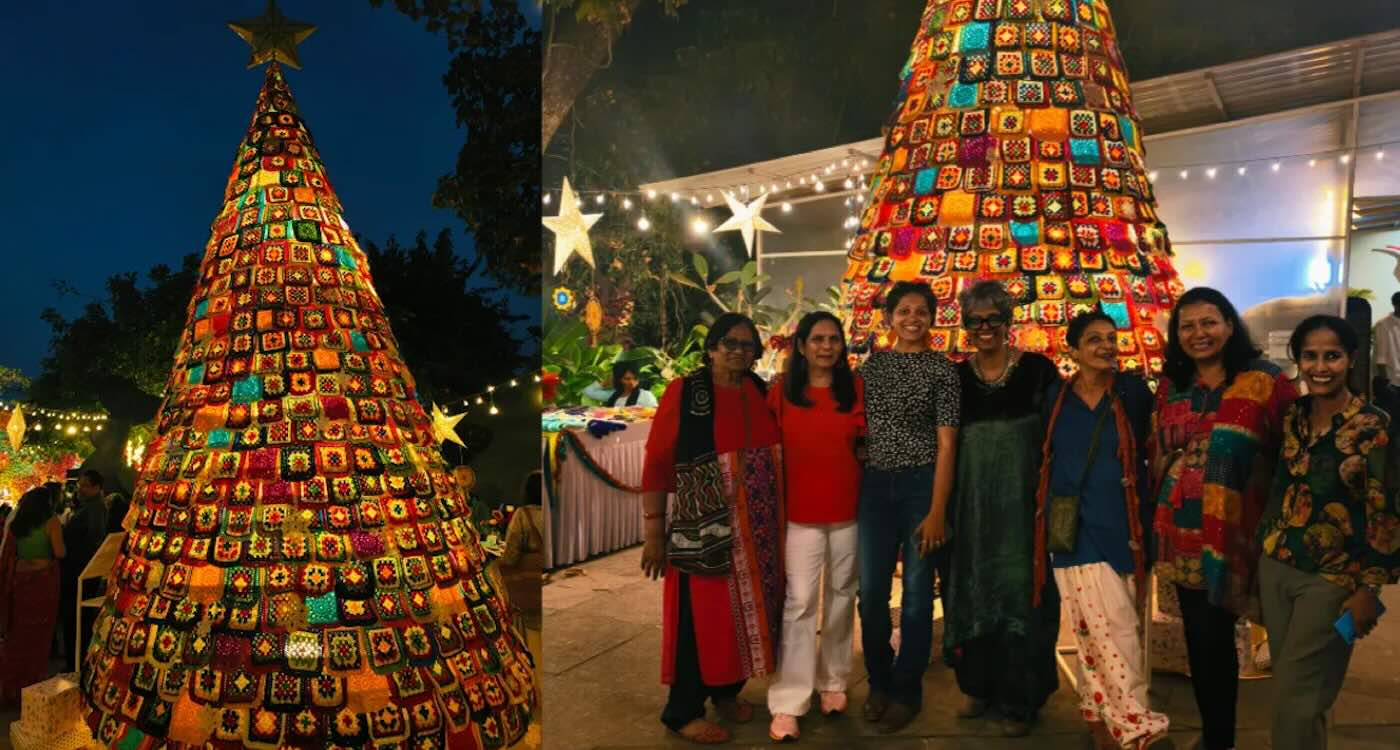
This incredible Christmas tree was designed and manufactured by incredible women in India’s state of Goa who felt another fake plastic Christmas tree was something the world didn’t need.
Made entirely of crocheted yarn, the community tree was designed to help revive a fading craft, feature women’s labor, and offer a sustainable alternative to plastic-heavy festive décor.
Located inside the Museum of Goa, the tree features more than a thousand individually crocheted squares made by 25 talented women of the Crochet Collective, an inter-generational, inter-continental collaboration that wields this introduced form of craft to help knit a community together.
Brilliantly told by Leila Badyari at The Better India, the story of this Collective effort begins in August, at the group’s first meeting over Zoom. Apart from the three organizers, Sheena Pereira, Sharmila Majumdar, and Sophy Sivaraman, none of the 25 crochet artists had met each other before.
The whole reason for their meeting was a dream that Pereira had about making a crocheted Christmas tree. If the surname here sounds distinctly un-Indian, that’s because Goa was a Portuguese colony, and crochet a direct, 15th century Portuguese import. Another of the 25 women is named Jennifer Fernandes, for example.
The crochet group began online during COVID, but Pereira wanted to take it offline with in-person meetups, and it was the connection with Sivaraman that gave her the impetus. At the Zoom meeting, no one could give an estimate on how big the tree would be, how it would be shaped, or how long it would take to finish.
“We decided to begin anyway,” Majumdar told the Better India. “We felt the place would come.”
And so the 50 skilled hands began their needlework, and as the weeks turned to months, the tree began to take shape. The Collective would meet at Majumdar’s home in Goa. There would be tea, coffee, music, and conversations of days gone by; of family, of childhoods.
Things really accelerated when a local civil engineer quickly welded a conical tree frame out of metal and donated it, along with the transportation, to the Collective without charging a rupee.
CRAFTS FOR GOOD: Terracotta Is a 3,000-Year-Old Solution to Fighting Extreme Heat
Suddenly, there was something on which to tie the 800 hand-crafted squares, and once they had the tree frame, the Museum of Goa opened its doors to feature the tree squarely in its “We Gather” collaboration.
The Crochet Collective
A civil engineer donated the metal tree frame – Courtesy of The Crochet Collective
Courtesy of The Crochet Collective
“It wasn’t supposed to be this big,” Sivaraman admitted, laughing. “But then again, none of us knew how big it would become.”
The question of size, during the monsoon season, quickly became a problem of size: the squares they had been weaving were too small, but they had used up almost all their yarn and couldn’t start over. So they began using their own yarn collections, or unraveling old pieces they didn’t care for anymore. The result was beautiful, unpredictable, originality.
Los Angeles, (IANS) Actress Eva Longoria thinks becoming a mom later in life was "perfect" for her as there is so much more “wisdom and patience in your 40s”.
The actress and her husband Jose Baston welcomed their son Santiago when she was aged 43.
Longoria told The Sunday Times' Culture Magazine: "You have so much more wisdom and patience when you become a mother in your 40s.
"It was all about me for so long. 40 years of me was enough time, so I was really blessed to have my child later in life because I had travelled, I’d done everything I needed to do for my career. Now everything I do is just icing on the cake, and I get to do that with my son.”
The Desperate Housewives actress will only agree to roles if it is fulfilling because her family comes first, reports femalefirst.co.uk.
Longoria said that her family is her priority, “so if I’m saying yes to something and it’s taking time away from them, it’s got to be something I’m really going to enjoy and people I really want to work with."
The actress, who was previously married to the late actor Tyler Christopher and 43-year-old former professional basketball player Tony Parker and Jose were introduced by mutual friends in 2013, and he popped the question to her during a romantic getaway to Dubai, United Arab Emirates, in 2015.
In 2016, they tied the knot in front of 200 guests during their sunset garden ceremony on May 21, 2016, at his lakeside home outside Mexico City.
Eva, who is stepmom to Jose's daughter Natalia and twins Mariana and Jose, from a previous relationship, feels lucky to have him in her life.The Christmas Karma actress gushed: “I’m busy and my career is very important to me, but I’m really fortunate that I met my match in that. He’s totally supportive of my dreams and my goals and what I want to get done.” Eva Longoria: You have more wisdom, patience when you become a mother in your 40s | MorungExpress | morungexpress.com
New Delhi, (IANS) Leaders from the tech industry on Friday said that women are at the forefront of technology, breaking barriers and leading with vision.
In a statement to IANS, Poonam Puthran, Executive Vice President - Banking at Aurionpro, said that women play a pivotal role in shaping the landscape in the dynamic world of technology.
"With their leadership and resilience, we chart a course towards excellence, driving our organisation forward with purpose and determination," she added.
A report by AIM Research titled 'Women in Tech 2023 (India)' found that out of the total pool of tech professionals across India, the share of women tech professionals is only 29 per cent.
Anjali Sharma, Director, Global Head of L&D, Fulcrum Digital, said the ascent of women in tech in India is both a triumph and a call to action.
"Despite the challenges within the traditionally male-dominated realm, we have witnessed a remarkable shift as women rise through the ranks, particularly in cutting-edge fields like deep tech," she added.According to Sharma, the journey towards gender equality in tech is a shared responsibility, with collaboration needed from individuals, organisations, and policymakers. Women at forefront of technology, leading with vision: Industry leaders | MorungExpress | morungexpress.com
Navi Mumbai: India’s players celebrate with the trophy during the presentation ceremony after winning the ICC Women’s World Cup 2025 at DY Patil Stadium in Navi Mumbai on Monday, November 3, 2025. (Photo: IANS)
New Delhi, (IANS) In a watershed moment for Indian cricket, the national women’s team etched their name in history by winning their first-ever ICC Women’s World Cup title, defeating South Africa by 52 runs in a pulsating final at the DY Patil Stadium on Sunday night.
Celebrations erupted across the country as BCCI Secretary Devajit Saikia reportedly announced a ₹51 crore reward for the players and support staff, hailing the victory as a “monumental achievement that will take Indian women’s cricket to a new level.”
Meanwhile, IPL chairman Arun Dhumal lauded the team’s historic feat, drawing parallels with India’s iconic 1983 men’s World Cup triumph.
“It’s a red-letter day for Indian women’s cricket. What the men’s team achieved in 1983, the Indian women have recreated today in Mumbai. This historic triumph will give a tremendous boost to women’s cricket in the country, and I’m confident our game will now reach new heights,” Dhumal told IANS.
Earlier, batting first, India posted a commanding 298/7, powered by Shafali Verma’s fluent 87, Deepti Sharma’s composed 58, and valuable contributions from Smriti Mandhana (45) and Richa Ghosh (34). A solid 100-run opening stand between Mandhana and Verma set the platform for a big total before South Africa clawed back late to keep India just under the 300-mark.
Chasing 299, South Africa began confidently as Tazmin Brits and Laura Wolvaardt put together a brisk fifty-run opening partnership. But a sharp direct hit from Amanjot Kaur ended Brits’ stay, and from there, India seized control of the contest.
Young pacer Sree Charani struck in her first over, trapping Anneke Bosch LBW, before Shafali Verma — shining with the ball as well — produced a game-turning spell, removing Sune Luus and Marizanne Kapp in quick succession.
Deepti Sharma then delivered a dream performance, claiming 5 for 39 to crush South Africa’s middle order. Despite Wolvaardt’s fighting 101, the Proteas fell short, bundled out for 246 in 45.3 overs, as India sealed a famous 52-run victory amid roaring home support.
As the tricolour soared high and the players embraced in tears of joy, the moment marked not just a World Cup triumph — but the dawn of a new era for Indian women’s cricket.
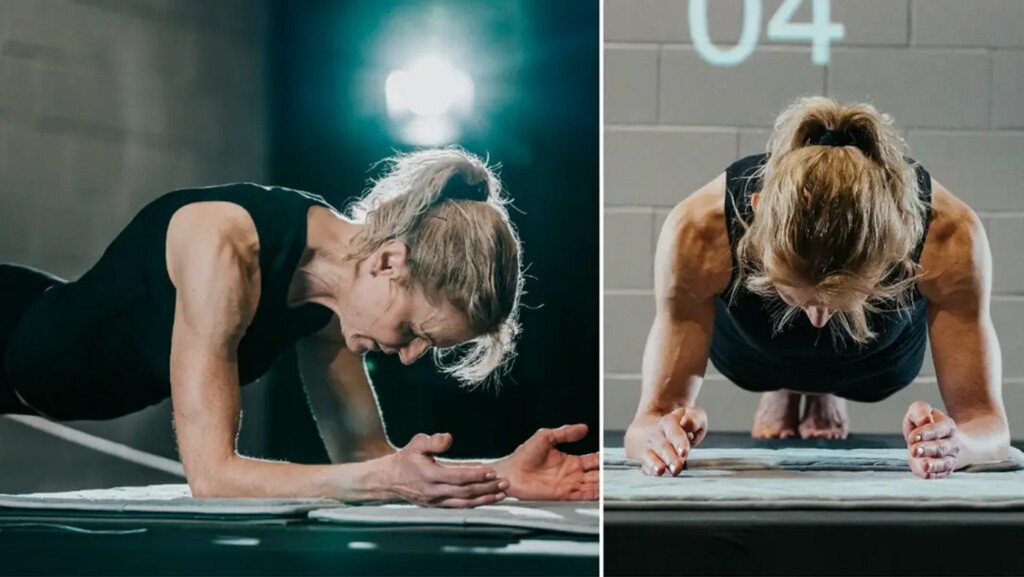
DonnaJean Wilde setting the plank record – Guinness World Records
A woman in Alberta just set a new world record for the longest time spent in an abdominal plank position, managing 4 hours, 30 minutes, and 11 seconds.
DonnaJean Wilde realized that a plank was an excellent exercise to do in a cast after she broke her wrist 10 or so years ago and needed something to do to get her heart rate up.
Strangely enough, the previous record was also held by a Canadian who was also from Alberta and also named Dana, who managed 4 hours, 19 minutes, and 55 seconds.
“Growing up, whenever we woke up, our mom had already run 4 miles. And that just progressed,” said Ray Wilde, DonnaJean’s son.
“If I’m going to watch a movie and she wants to watch a movie with me, she’ll watch it in the plank position,” said her husband, Randy Wilde.
“She did her entire master’s degree planking,” said daughter Laura Stevenson.
When the mother of 5 with 12 grandchildren went to university about 20 years ago for the masters, she contracted something called transverse myelitis, which manifests in pain and numbness.
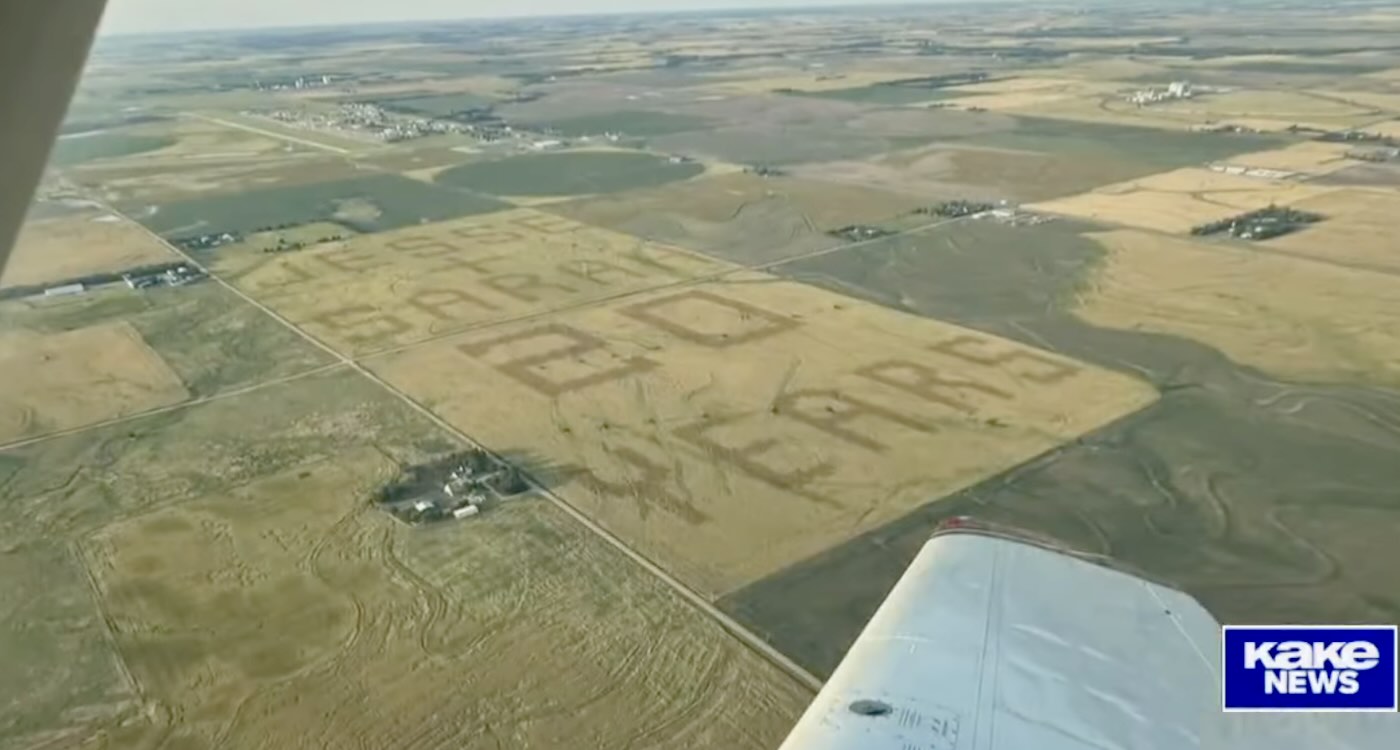
A farmer in Kansas had an idea for an anniversary gift, but it was going to take eight months, one mile of land, and 65 million wheat seeds.
Jesse Blasi and his wife Sarah were set to celebrate their 20th wedding anniversary this year. And he was inspired by another Kansas farmer who had planted a field of sunflowers for his wife—a story and video that GNN shared in 2023.
What if Blasi created a message in a wheat field?
He began plotting his surprise back in October. He used some modern farming methods, a John Deere Air Seeder, and two varieties of wheat to outline the message “Jesse + Sarah, 20 Years”.
He nurtured the two colors of wheat and waited for it to grow. It was a labor of love, but just like the old ‘Hall and Oates’ song, he knew it would make Sarah Smile.
“I knew it would make her smile,” Jesse told KAKE in Kansas. “That was kind-of the whole goal, to get the little grin out of her that I like.”
Jesse and Sarah met at a bar while attending Kansas State, and fate led them to the same stoplight on the way home. Their love has been going strong ever since, with a farm that’s been running for two decades and a family that includes two daughters, Reagan and Avery.
Jesse was determined to deliver his ‘golden wheat anniversary’ surprise, but had to work hard to keep it a secret when other farmers saw the message early.
Then, in early June, the couple went up over the fields in an airplane—and when she looked out the window, she saw it.
Jesse + Sarah. 20 Years.
The words were laid out in a red chaff wheat, with a lighter variety serving as the background. In all, the message is about one mile long and a half-mile wide. (Watch the video below…)
The anniversary love note should be visible over Kansas for the rest of the summer growing season—and it could linger all the way into October.
New Delhi, (IANS) A team of researchers has said that lipolysis is more effective in women than in men, which could partly explain why women are less likely to develop metabolic complications than men, despite having more body fat.
The research focused on lipolysis, the process through which triglycerides – lipids stored in fat cells – are broken down to produce free fatty acids and glycerol, which can be used as energy, during exercise or between meals.
“The breakdown of lipids through lipolysis is essential for energy balance and it is believed that doing it effectively may prevent type 2 diabetes and other metabolic complications of overweight and obesity,” said Professor Peter Arner, of the Karolinska Institutet, Stockholm, Sweden.
“Indeed, lipolysis is more effective in women than in men, which could be one reason why women are less likely to develop metabolic complications than men, despite having more body fat,” Arner added.
Hormones called catecholamines play a key role in activating lipolysis and regulating the various steps in the process and it is known that when levels of these hormones increase, due to psychological stress or during exercise, for example, lipolysis is activated more strongly in women than in men.
According to the study, a better understanding of how this occurs could pave the way for drugs and other treatments that lower the risk of type 2 diabetes in men with overweight and obesity.
To find out more, Professor Arner and Dr Daniel P Andersson of the Karolinska University Hospital Huddinge in Stockholm, measured lipolysis in abdominal subcutaneous fat cells from adult women and men.
The cells were incubated alone or with increasing concentrations of several catecholamines that are known to act at different steps in lipolysis.
The amount of glycerol released was used to measure the amount of lipolysis.
This revealed that the fat cells from the women were less sensitive to the catecholamines than the fat cells from the men, meaning that that higher concentrations were needed to activate and regulate lipolysis.
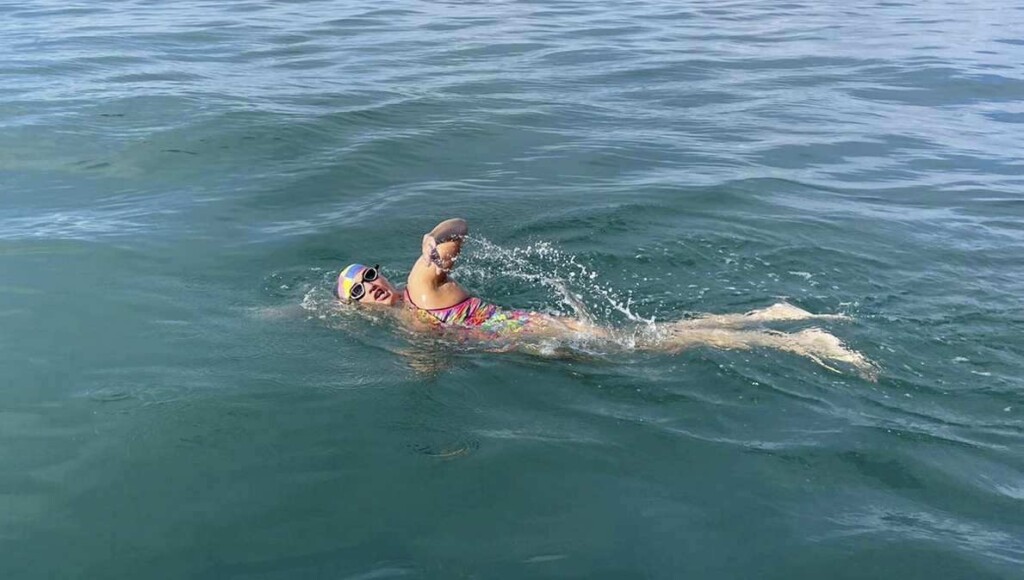
Melanie Barratt out in the English Channel – credit SWNS
A Paralympic gold medalist has become the first blind woman to swim across the English Channel, and she finished under time.
She said that being blind has left her feeling “isolated,” but thanks to swimming, she has a “newfound confidence” and hopes her feat “inspires others”.
49-year-old Melanie Barratt took on the challenge after falling in love with open-water swimming.
She swam the Channel, from Shakespeare Beach in Dover to Cap Gris Nez Beach in France, in 12 hours and 20 minutes, faster than the expected 14 hours, and described it as “a dream come true.”
“My life has been filled with challenges because of my blindness, and it often led me to feel isolated and unsure of myself,” said Barratt.
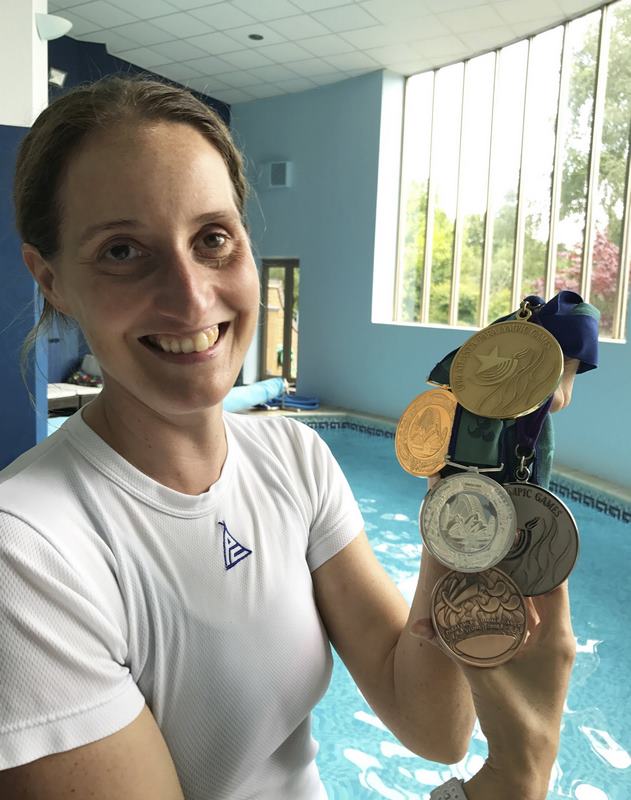
Melanie, now a special needs assistant after winning two gold medals, two silvers, and a bronze at the 1996 Atlanta and 2000 Sydney Paralympics, said she “never thought it would be possible to achieve something like this.”
It’s no mean feat, even for an Olympian, as the Channel weather regularly takes the lives of sailors and refugees in crossing.
Melanie Barratt with her haul from the 1996 and 200 Paralympics – credit SWNS
Melanie was born with scarred eyes after her mom contracted congenital toxoplasmosis during pregnancy. She grew up virtually blind and was only able to make out bright colors and shapes. She first began swimming with the British Blind Sport charity.
“I loved the water,” she remembers. “The charity helped me by teaching me to swim straight and how not to bump my head into the pool ends.”
“I struggled to fit in at school because of my blindness, so I often turned to the pool as an escape.”
Slowly improving, a swimming partner invited her to the Paralympic games, which lit a fire underneath her that pushed her to succeed. After Sydney, Melanie retired from competitive swimming and wanted “something more.”
“Sadly, my guide dog doesn’t swim,” she said, according to English news media outlet SWNS. “But I became friends with an incredible open-water swimmer who took me under her wing.”
“The shock of the cold water made me aware of every single cell of my body, and it was freeing.”
Once hooked on open-water swimming, Melanie competed in several races, including a 10k lake swim, the Thames Marathon, and a relay race in Lake Geneva in July 2023.
It was as freeing as it was frightening, since there were no indicative surfaces or objects for her to use as a reference point. A solution presented itself as her husband paddling alongside her in a kayak, the bright colored paint of which she could see.
“I also started using bone-conducting headphones that allowed him to communicate with me throughout my swims,” she says. “It made open-water swimming more accessible.”
Two years before her Geneva feat, Melanie signed up for the English Channel swim, describing it as “the Everest of swimming,” and on August 28th, 2024, she swam the Channel in 12 hours and 20 minutes, receiving a Guinness World Record for the feat two months later.
“Halfway through the swim, I felt scared and sick. I didn’t think I was going to make it,” she said. “But I had the most amazing team and I was really determined.”
“Life is incredibly difficult being blind, and it’s very limiting, but sport and open-water swimming have given me a newfound confidence and made me proud of who I am.”“My husband and two boys always know I love to push myself and that I always need something to work towards, and I hope I’ve inspired others to do the same.” 49-Year-old Becomes First Blind Woman to Swim English Channel: ‘Nothing is Impossible’
Australians love a good sport story, because we love our sport.
While many of us think of sporting narratives playing out on fields and courts, there are some wonderful sporting stories captured in our country’s rich literature. And just as women have always been playing sport, they have also been writing about it.
Here are some books by women and non-binary writers for your summer reading list. They look at sport in a range of ways. Whether you enjoy histories, non-fiction, poetry, crime or even romance, there is a sporting story to suit all readers. These books seek to connect with diverse sports fans, or anyone looking for something a little different.
The first women’s Ashes
Marion Stell’s The Bodyline Fix: How Women Saved Cricket delves into a fascinating yet often overlooked chapter of cricket history. The book explores how Australian women cricketers in the 1930s played a crucial role in restoring the integrity of the sport, following the infamous men’s Bodyline series of 1932-33, which strained relations between Australia and England.
Stell is one of Australia’s foremost sports historians. She has gathered the stories of women’s sport in Australia, tracking down documents from scrapbooks kept by athletes and their families, mining storage units and garages for historical gems, and peering through miles of microfilm.
In The Bodyline Fix, Stell tells the story of the inaugural women’s test series, played against England in the summer of 1934-35. The series put women’s cricket in the spotlight. It brought together players from diverse backgrounds and social classes, and different levels of cricketing experience, to represent Australia. The women who played defied societal norms, family pressure and public scrutiny to pursue their passion. Their trailblazing spirit has contributed the strong Australian women’s cricket culture we have today.
The series is now known as the first women’s Ashes. The event’s 90th anniversary will be celebrated with a historic test at the Melbourne Cricket Ground, starting on January 30, 2025. Now is the perfect time to learn more about those pioneering women and their legacy.
Footy in literature
When we think of books about Australian rules football, we tend to think of the many memoirs, biographies and other non-fiction works documenting the game’s history, cultural influence and place in collective memory.
Despite the game being the country’s dominant football code, it has not strayed too far into the world of fiction. Fictional footy narratives are rare. Those written by women even rarer. In 2014, Ed Wright observed in the Australian that “for something so culturally unique, Aussie rules football is under-represented in our literature, especially given the obsession with the game of our UNESCO City of Literature, Melbourne”.
Yet around this time three intriguing novels written by women about Australian rules football were published: The Family Men by Catherine Harris (2014), Game Day by Miriam Sved (2014) and The Whole of My World by Nicole Hayes (2013).
These books depicted the ways women work to connect with the game and the joy that fandom can bring. They also examined the dark side of the sport, such as the effects of toxic masculinity.
More recently, Sarah Thornton published Lapse, a crime thriller set in rural Australia, where the protagonist, former lawyer Clementine Jones heads to the country and ends up coaching at the local footy club.
Lapse is an interesting look at Australian rural life, racial tensions in small communities and the dynamics of country footy through the tropes of the thriller genre. The novel has lots of suspense to keep you turning the pages. The plot is a refreshing take on the “stranger arriving in a small town with a secret”, featuring a woman protagonist who comes into a hypermasculine environment.
Another footy book to add to your reading list is the newly published The Season by Australian literary legend Helen Garner.
The Season depicts Garner’s experience following her grandson’s under-16s football team for a season. It is full of reflections on developing masculinity and the role of sport in crafting identity. Garner also writes about connection to her AFL team the Western Bulldogs and what being a supporter means to her.
The book is a valuable contribution to the footy book genre. Seeing the sports we love through the eyes of those not as close to the game helps us see it in a new light.
Matildas’ momentum
Who didn’t get caught up the excitement of the 2023 FIFA Women’s World Cup? One of the successes of the event was how many new fans were welcomed into the women’s football family.
Now we have some fantastic publications to speak to those new fans, celebrate the trailblazers, and reflect on the future of women’s football.
Football historian and academic Fiona Crawford has been busy over the last couple of years documenting the increased focus on Australia’s national women’s team the Matildas.
Her recently released The Rise of the Matildas reflects on the Matilda’s World Cup experience. Crawford writes with expertise, consideration for the game’s pioneers, and respect for fans. Her engaging style instantly connects you to the historic moment that we hope will change Australian women’s football forever.
Through essays, reflections and poems, van Neerven explores the intersections of sport, culture and identity, with a focus on their lived experience as a queer, non-binary First Nations person.
Personal Score is incredibly powerful, alternating between intimate reflection and sharp political critique. It explores what it means to play sport on stolen land, to love football – and questions the game’s colonial history.
The book tells stories of trauma and resilience. Van Neerven’s considered writing not only provides hope that Australian sport can change to become more inclusive, it details practical steps we can all take.
Tennis anyone?
Romance fiction book sales are on the rise. You might be surprised to learn that sports romance has become a major player in this growing market – so much so that from February 28 to March 2, 2025, the world’s first Sports Romance Convention will be held in Minneapolis, USA.
As we gear up for the Australian Open, a timely title is Abra Pressler’s Love and Other Scores. Pressler tells the story of an international tennis star with a secret coming to compete in Melbourne’s grand slam tournament. When he falls in love with a local, he finds he can’t hide his secret much longer.
Pressler’s novel explores how diverse sexualities are still stigmatised in men’s sport, at the same time as it depicts an environment where there are more intersectional identities. And of course, as is necessary in the romance genre, it gives us a “happily ever after” ending that allows us to imagine a sporting world where these issues are not only resolved, but celebrated.
Love and Other Scores is a sexy, queer romance with a diverse cast of characters. It is an excellent example of intersectional representation in sport and it is also a fun summer read.
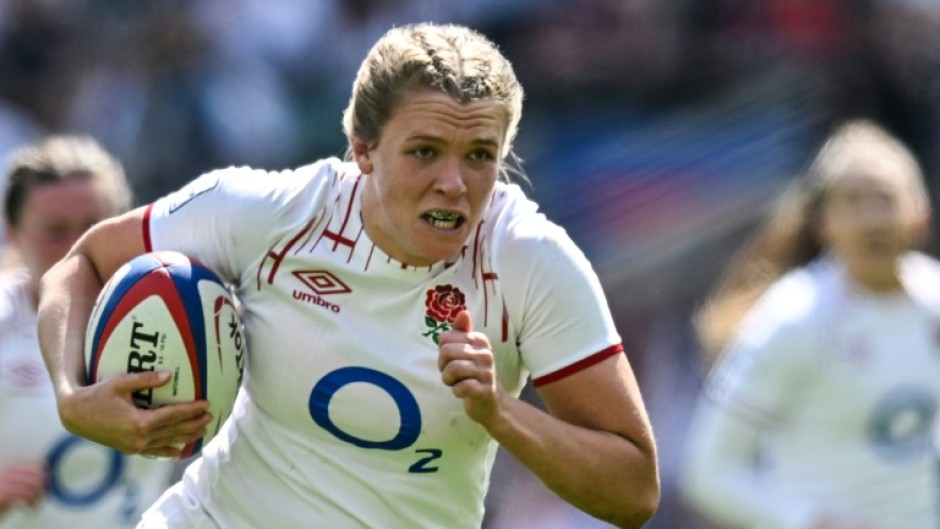
Zoe Aldcroft is set to lead England at this year's Women's Rugby World Cup on home soil after being named Thursday as the team's captain for 2025.
Gloucester-Hartpury lock Aldcroft, capped 58 times by England, will skipper the Red Roses in the upcoming Women's Six Nations and the home Rugby World Cup, which starts in August.
The 28-year-old, who succeeds Marlie Packer as skipper, has previously led England on several occasions, with her first match as captain an 89-0 thrashing of the United States in November 2021.
England women's coach John Mitchell hailed Aldcroft as a "phenomenal rugby player", saying: She leads by example through her world-class actions, on and off the field, and is an integral member of our leadership group."
New Zealander Mitchell, a former All Blacks coach, said it was a difficult choice to remove the 35-year-old Packer as captain.
"As with many positions, there is intense competition for places in the back row and Marlie's ability to deliver big performances on the pitch needs to be her focus," he explained.
"Making decisions like this is never easy, but I believe it will push us to perform at our best and ultimately benefit the Red Roses."
Aldcroft was named 2021 World Rugby women's player of the year and led Gloucester-Hartpury to the last two Premiership titles.
"It's an incredible honour to be awarded the Red Roses captaincy," she said.
Saracens flanker Packer captained England to two Six Nations Grand Slams, as well as being crowned 2023 World Rugby women's player of the year.England went undefeated in 2024 and are favourites for the World Cup, where they hope to avenge agonising defeats by New Zealand in the past two finals. Aldcroft named England captain ahead of 2025 Women's Rugby World Cup
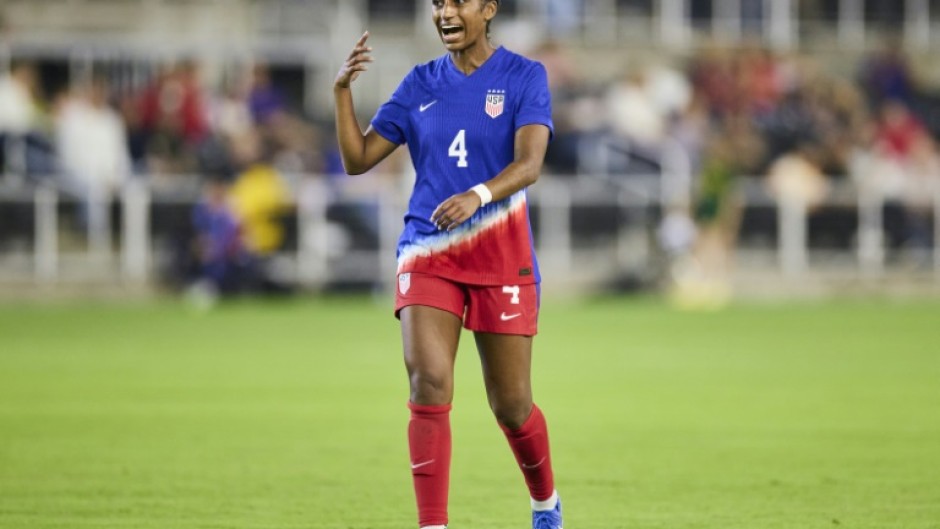
Chelsea signed United States defender Naomi Girma from San Diego Wave on Sunday in a reported world-record deal for a female footballer.
Girma is believed to have cost Chelsea £900,000 ($1.1 million), surpassing the previous world record of £685,000 paid by Bay FC for Racheal Kundananji in February 2024.
The 24-year-old was unveiled on the pitch by the Women's Super League champions ahead of Sunday's game against Arsenal at Stamford Bridge.
"I'm so happy and really excited to be here. It doesn't feel real," Girma told Chelsea's website.
"There are a lot of things about Chelsea that made me want to come here, the culture, the winning mentality, staff and players. It's a top environment to learn and grow in."
Girma becomes Chelsea Women's boss Sonia Bompastor's first signing of the January transfer window.
She was targeted by Bompastor after Chelsea defender Kadeisha Buchanan suffered an anterior cruciate ligament injury that could rule her out for the rest of the season.
The fee eclipses the previous British record set when Chelsea signed striker Mayra Ramirez from Levante for £384,000 a year ago.
Girma played every minute of the United States' victorious Olympic campaign in Paris last year and was also named US Soccer's female player of the year in 2023.Chelsea head of women's football Paul Green said: "Naomi is a world-class defender who is now coming into the prime years of her career." Chelsea sign Girma in reported world record deal for female footballer
Imnainla Jamir with her National Youth Icon Award trophy and citation. (Photo Courtesy: X)
NEW DELHI, (MExN): In a proud moment for Nagaland, Imnainla Jamir, Global Ambassador of MasterPeace COOLeaders, was awarded the prestigious 'National Youth Icon Award' during the National Youth Day celebrations in New Delhi. The event, which commemorates the birth anniversary of Swami Vivekananda, celebrated Jamir's remarkable contributions to youth empowerment and social development.
Hi-Tech Group of Institutions presented the award at the Constitution Club of India, New Delhi on January 12 to mark National Youth Day. The award ceremony was graced by Jual Oram, Minister of Tribal Affairs, Government of India, as the chief guest, along with a host of other dignitaries. Jamir, who follows in the footsteps of Olympic Gold Medalist Neeraj Chopra—a former recipient of the award—was recognized for her tireless work in promoting youth leadership and fostering global peace.
The prestigious National Youth Icon Awards are presented to honour youth success in various fields. This year, 30 outstanding youths from across the country were given the honour. Jamir's efforts in youth empowerment, social progress, and peacebuilding earned her this recognition as she continues to inspire others globally.
In a message on social media, Abu Metha, Advisor to the Chief Minister of Nagaland, congratulated Jamir, calling it a "proud moment for Nagaland" and a "terrific new benchmark for Girl Power."
Reflecting on her achievement, Jamir said, "Receiving the National Youth Icon Award is an indescribable honor. It’s not just a personal achievement but a testament to the incredible potential we all carry within us. This award reminds me that no dream is too big when we believe in ourselves and remain committed to our purpose. I hope it serves as an inspiration to others, showing that with passion and perseverance, we can overcome challenges and achieve greatness. I am deeply grateful for this recognition and for everyone who has been part of my journey."
Jamir also shared an empowering message for the youth of Nagaland, urging them to dream big and embrace their unique heritage.
“My message to the youth in Nagaland is to dream big, stay determined, and never underestimate the power of hard work. Our culture and heritage are rich and unique, and we have so much to offer the world. I encourage every young person to embrace their passions, remain grounded in their values, and strive to make a positive difference in their communities. Together, we can show that our talents and voices matter on a global stage.”Imnainla Jamir, known for her talent as a guitarist, gained national attention when she performed the Indian national anthem on her electric guitar at the 2022 Hornbill Festival. Her passion for social change was further recognized when she was honored with the H.E.R Award at the 6th edition of the ‘We The Women Festival’ in Jaipur in March 2023. Nagaland's Imnainla Jamir honoured with 'National Youth Icon Award' | MorungExpress | morungexpress.com
New Delhi, (IANS) The Indian startup ecosystem has seen major changes in the last few years and there has been an unprecedented rise in the participation of women entrepreneurs as the funding of female-led startups increased by over 90 per cent in 2024.
Women entrepreneurs are not only becoming founders and co-founders, but a large number of investors are also investing in women-led startups.
According to the Indian Startup Funding Report 2024 by Inc42, women-led startups raised around $930 million across 136 deals in 2024. This figure was $480 million across 118 deals in 2023, showing a growth of 93.75 per cent year-on-year.
The fintech sector topped the funding received by women-led startups. It had a share of 28.7 per cent or $266.91 million in the total funding. It was followed by the e-commerce sector with a share of 22.8 per cent or $212 million and enterprise tech at third place with a share of 14 per cent or $130 million in total funding.
The fintech sector has received this funding in only 17 deals. Meanwhile, E-commerce has received $212 million in funding in 53 deals.
Apart from this, the share of health tech and cleantech in the total funding was 11 per cent ($ 102.3 million) and 14.1 per cent ($ 130.93 million) respectively.
Additionally, in 2024, a total of 13 new-age companies launched their initial public offerings (IPOs), as startups cumulatively raised more than Rs 29,200 crore from the stock market.
The 13 startups cumulatively raised Rs 29,247 crore from the cash market. Out of this, the fresh issue was nearly Rs 14,672 crore and Rs 14,574 crore Offer for Sale (OFS).
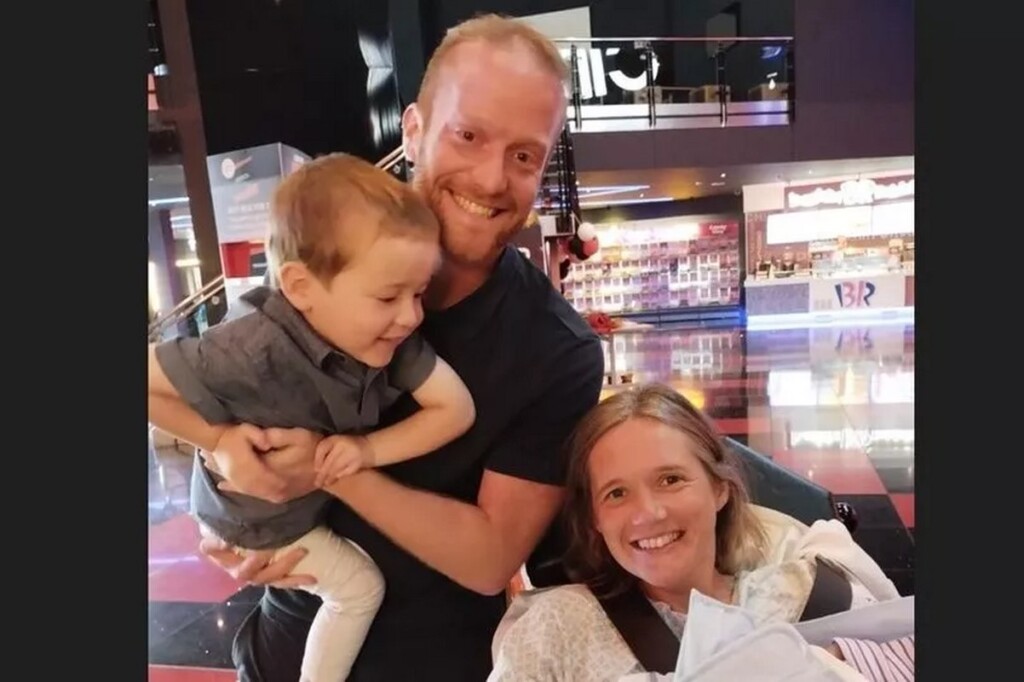
Father Gareth, son Liam, mother Sarah, and their newborn Lowri wrapped in a blanket at Cinema World
Welsh news media described it as a “blockbuster” arrival at a local movie theater—no not Deadpool 2—a beautiful baby girl whose mom gave birth in the lobby.
Sarah Vincent was 39 weeks-pregnant when she went to the Cinema World in her hometown, near the capital city of Cardiff, with her 3-year-old son Liam and her parents when, 20 minutes into the screening of Sing 2, she began to feel discomfort.
Adjourning to the restroom, the discomfort grew until she had to lay down in the lobby and that’s when her water broke. The cinema staff were quickly there to help, and help they did—calling an ambulance and assembling screens to block the sight of passersby.
On the instructions of the paramedic who picked up the phone, cinemagoer Amy Screen, and the manager on duty at the cinema Jacey Howcroft, arrived to help should the baby be unwilling to wait for the ambulance.
And it’s all a good thing too, because Lowri, the newborn baby girl, did not in fact wait for the ambulance.
With Screen and Howcroft’s assistance, Lowri Miles was born 7 pounds just 10 minutes from the point at which Vincent had gone into labor.
Missing the momentous occasion, father Gareth Miles was working in Cardiff when he got a call from Vincent’s dad explaining what was happening. He rushed down to the cinema to find his baby girl waiting for him.
“The staff were great,” he said. “Jacey was the staff member who went to get Sarah’s parents from the cinema and helped with delivery, Andrew at Cineworld rang the ambulance and talked with paramedics on phone to help with the birth, the rest of the staff were great at putting up screens, also one member of the public, Amy, helped with delivery as well.”
He told Wales Online that Liam, their son, was also born extremely quickly but in a car rather than a movie theater.
“It’s one we’re never going to forget. I thought the car was bad enough, and we’ve got the cinema story to tell as well now!”Mo Williams, the General Manager of the Cinema World, said his staff were understandly proud of their teamwork during the unexpected emergency. He added that little Lowri is now an honorary Cinema World Member for life, and will never have to pay for a movie ticket as long as she lives. Woman Gives Birth in Lobby of Welsh Cinema and the Daughter Now Has Free Movies for Life
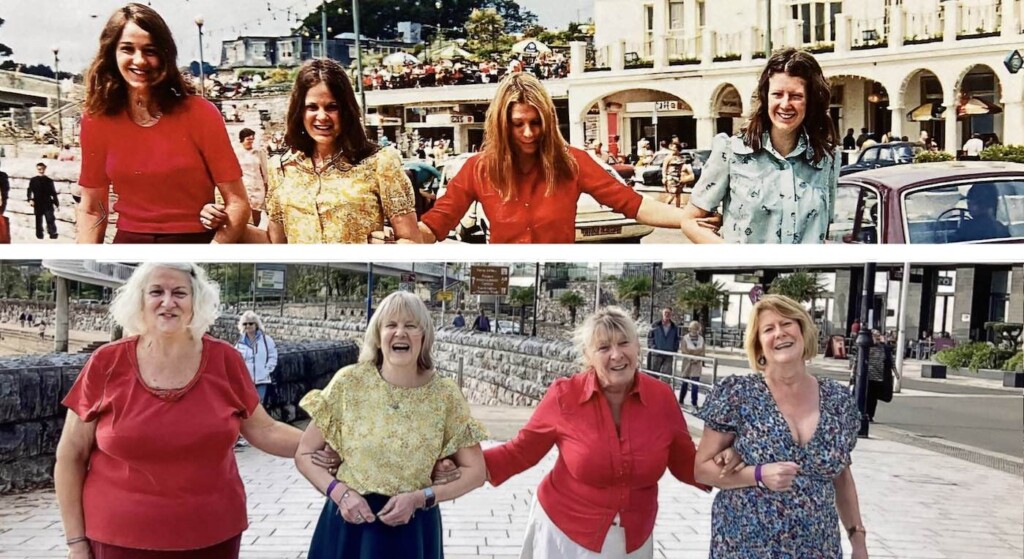
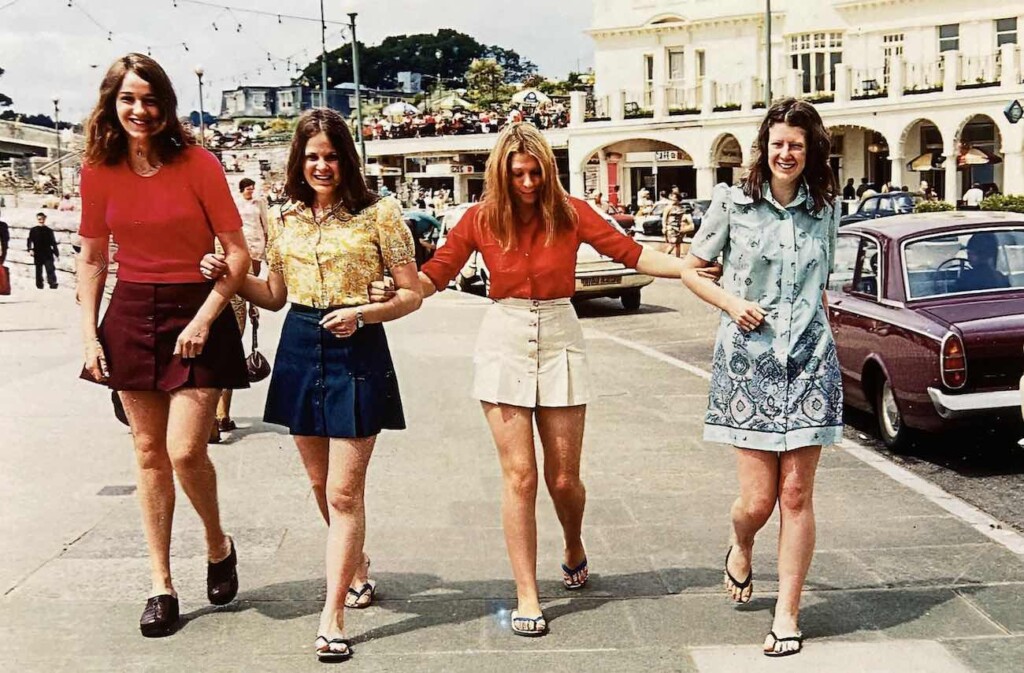
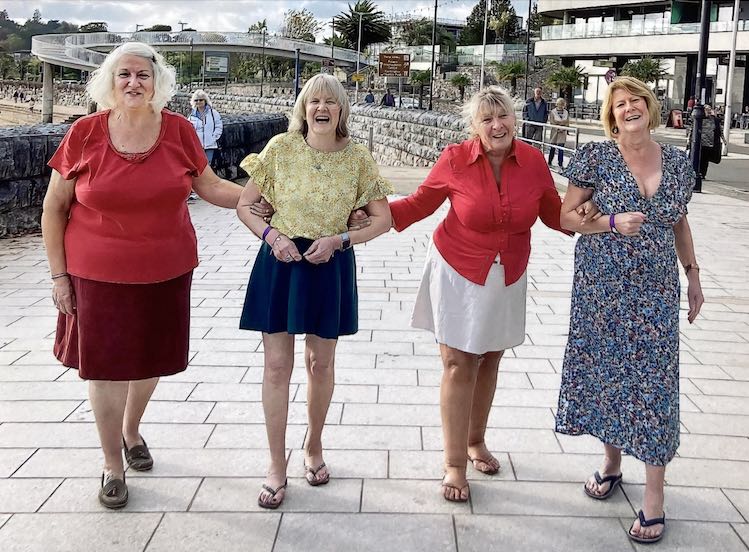
Marion Bamforth (left), Susan Morris, Carol Ansbro, Mary Helliwell (right) on holiday in Torquay in 1972 and 2024 – SWNS
A group of fun-loving friends have recreated a photo from their first girls getaway—more than 50 years ago.
The four gal-pals, who are now nearly 70, recalled their week-long stay in a seaside resort so fondly that they vowed to do it again to celebrate their 70th birthdays.
Carol Ansbro, Marion Bamforth, Susan Morris, and Mary Helliwell all went on holiday together in 1972 to the town of Torquay, in Devon, England.
The women from West Yorkshire returned to the town this year to recreate their cherished getaway—and they wore outfits as close to the original as possible.
“Our first holiday in Torquay was truly amazing,“ said grandmother-of-five Susan.
“We were only kids and so excited about staying in a cramped caravan and sharing each other’s clothes.
“It felt really exotic and grown-up being on our own without parents in the English Riviera.”
Pictured in 1972 in Torquay (left to right) Marion Bamforth, Susan Morris, Carol Ansbro, and Mary Helliwell – SWNS
COOL!
“The picture was taken by those photographers who used to roam the promenade preying on unsuspecting tourists like us.”
Mary, a grandmother-of-four, said the pals struggled at first to find the exact location of where the 1972 snapshot was taken.
“Nobody could remember where the photo took place but, luckily, a member of staff at the hotel where we were staying, guided us to the exact spot.
“The white building in the 1972 photograph had been demolished but the same bridge is still in the background.”
The seniors, who’ve been friends since primary school, changed into their 1972-inspired outfits in a public toilet.
Marion Bamforth (left), Susan Morris, Carol Ansbro, and Mary Helliwell together again in Torquay -SWNS
Carol said it was worth it, because “the photo is amazing.”










 DonnaJean Wilde setting the plank record – Guinness World Records

 Melanie Barratt out in the English Channel – credit SWNS
 Melanie Barratt with her haul from the 1996 and 200 Paralympics – credit SWNS